
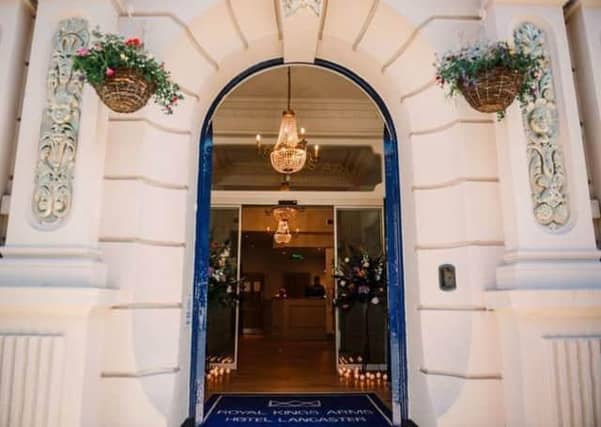

And some of the best examples of this historic past can be seen in the magnificent buildings found around Lancaster and Morecambe.
These structures have all been singled out because they hold listed building status.
In fact, the Lancaster district has over 1,300 listed buildings and structures, designated for their architectural or historic interest. A listed building is of national significance and is protected by the 1990 Planning (Listed Buildings and Conservation Areas) Act.
The 19 buildings we have chosen all have an interesting story to tell. Take a look.
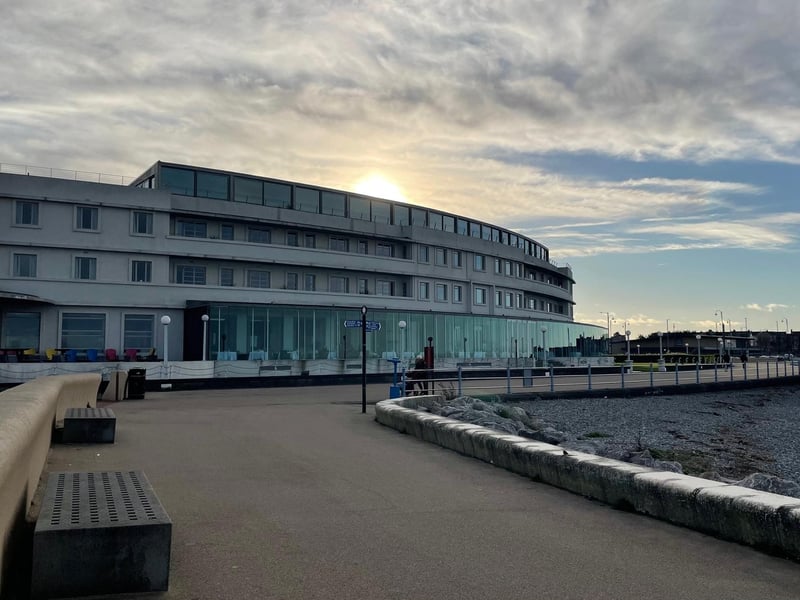
9. The Midland Hotel, Morecambe
The Art Deco Midland was built by the London, Midland and Scottish Railway and opened on July 12 1933. By the time World War II was declared the hotel was already experiencing difficult times. In 1939 the Royal Navy requisitioned the building. After the war things didn't improve and as Morecambe declined as a tourist venue, the hotel languished. In 1998 the Midland closed and it sat unoccupied and in an increasing state of decline for a number of years. It was bought by a developer but after they went into receivership in 2002, it began to look as if demolition was going to be the building's future. However, Urban Splash stepped in and commissioned the architectural practice of Union North to refurbish the building. Work started in 2006 and two years later the Midland Hotel opened again for business looking spectacular. The Midland was bought by The Inn Collection Group last year. Photo: Submit
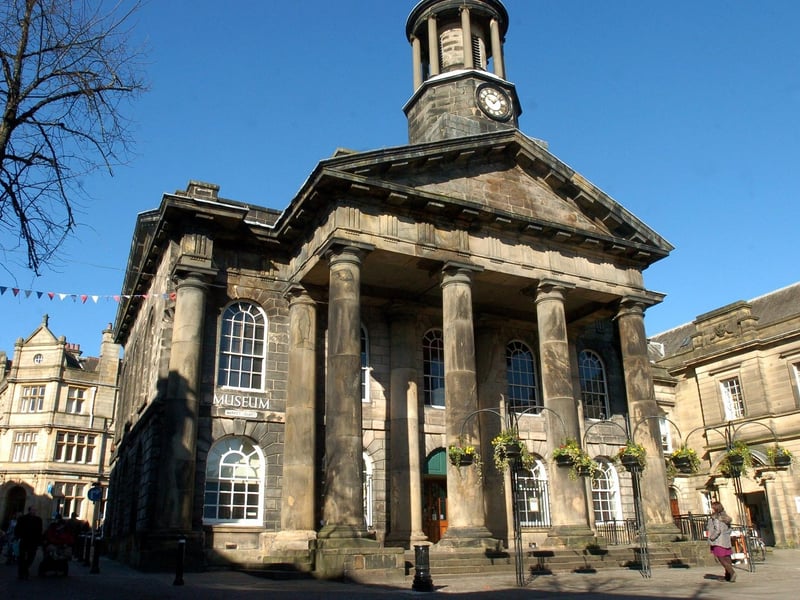
10. Lancaster City Museum
The old Town Hall building in which the museum is housed is recorded in the National Heritage List for England as a designated Grade II* listed building. It was designed by Major Thomas Jarrett and built between 1781 and 1783, with a cupola added in 1782 to a design by Thomas Harrison. It was extended in 1871 and 1886. In 1910, the Town Hall transferred to a new home in nearby Dalton Square. The old Town Hall was converted into a museum in 1923. The City Museum building is also home to the King’s Own Royal Regiment Museum. Photo: Garth Hamer
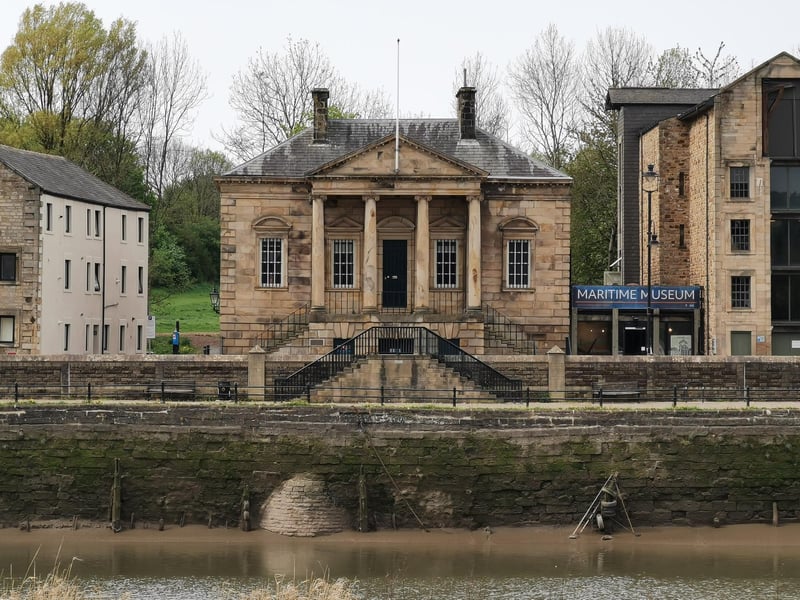
11. Lancaster Maritime Museum
Lancaster Maritime Museum occupies two historic buildings on St. George’s Quay, the city’s main 18th-century harbour. The museum was opened in 1985 in the former Custom House of 1764, designed by Richard Gillow. It also incorporates the upper floor of the neighbouring warehouse, where goods were stored after being shipped into the port. Photo: Lancaster City Council
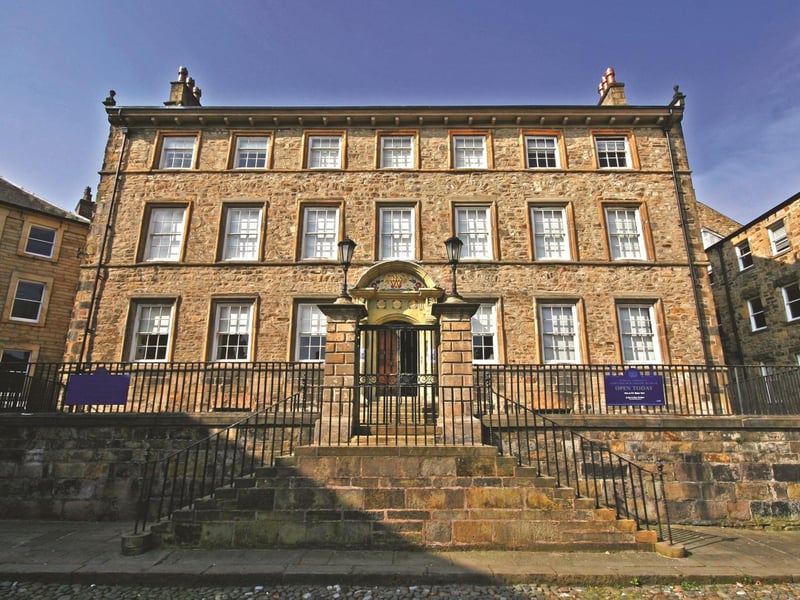
12. Judges' Lodgings, Lancaster
Nestled below Lancaster Castle, the Judges' Lodgings dates back nearly 400 years on a site that has been at the centre of Lancaster's history for nearly 2000 years. The current house was built around 1625 by Thomas Covell, Keeper of the Castle and famous for locking up the Pendle Witches during the infamous Lancashire Witch Trials. From 1826 the house became a lodgings for the travelling 'Red Judges' of the Assizes Courts. Dressed in their scarlet robes, the Judges decided the fate of murderers, forgers and highwaymen at Lancaster Castle. Today the house is home to beautiful Georgian furniture by Gillows of Lancaster, elegant period rooms and the popular Museum of Childhood. Photo: Submit