
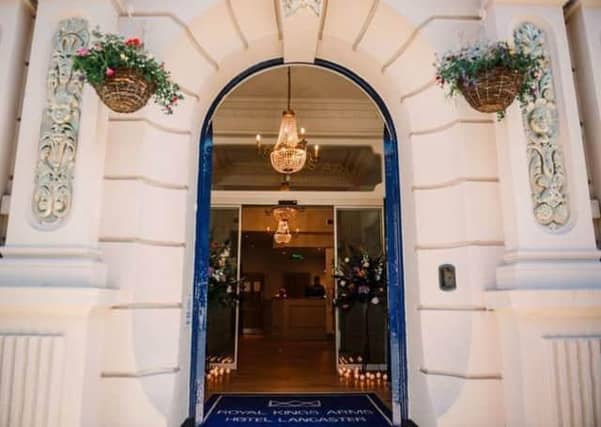

And some of the best examples of this historic past can be seen in the magnificent buildings found around Lancaster and Morecambe.
These structures have all been singled out because they hold listed building status.
In fact, the Lancaster district has over 1,300 listed buildings and structures, designated for their architectural or historic interest. A listed building is of national significance and is protected by the 1990 Planning (Listed Buildings and Conservation Areas) Act.
The 19 buildings we have chosen all have an interesting story to tell. Take a look.
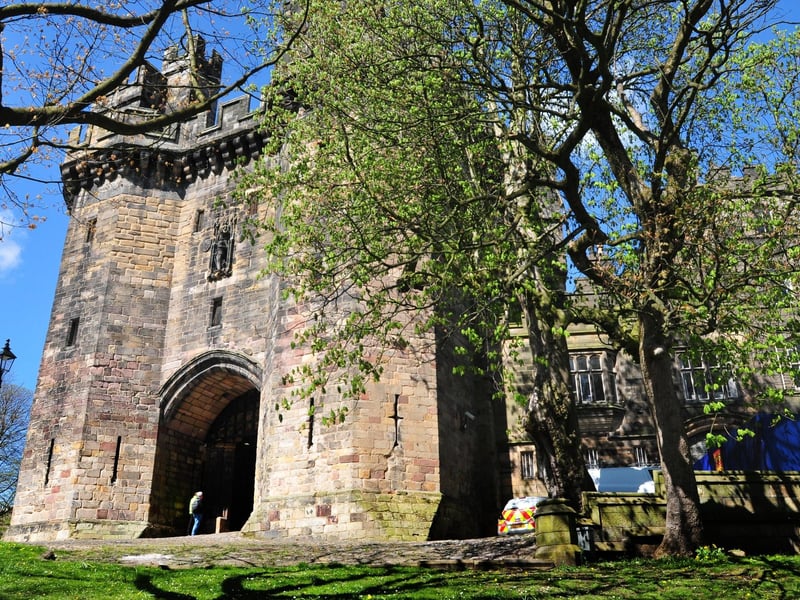
13. Lancaster Castle
Lancaster Castle, often known as John O’ Gaunt’s Castle, is one of the most historically fascinating surviving buildings in the country. Its beginnings date back to Roman times when, from its commanding position on the hill overlooking the town of Lancaster and the River Lune, it stood as a bastion against the marauding forces of the ancient Picts and Scots tribes. Owned by the Duchy of Lancaster - His Majesty King Charles III is the Duke of Lancaster - the castle has witnessed scenes of significant historical, cultural and political importance throughout the centuries. These include incidents of religious persecution, the trials of the Lancashire Witches and over 200 executions for everything from murder to stealing cattle. Until 2011 it was a fully functioning HM Prison and today it is a magnificent ‘living’ monument, offering a glimpse into England’s often dark past through tours and special events enjoyed by modern day visitors of all ages. Photo: David Hurst
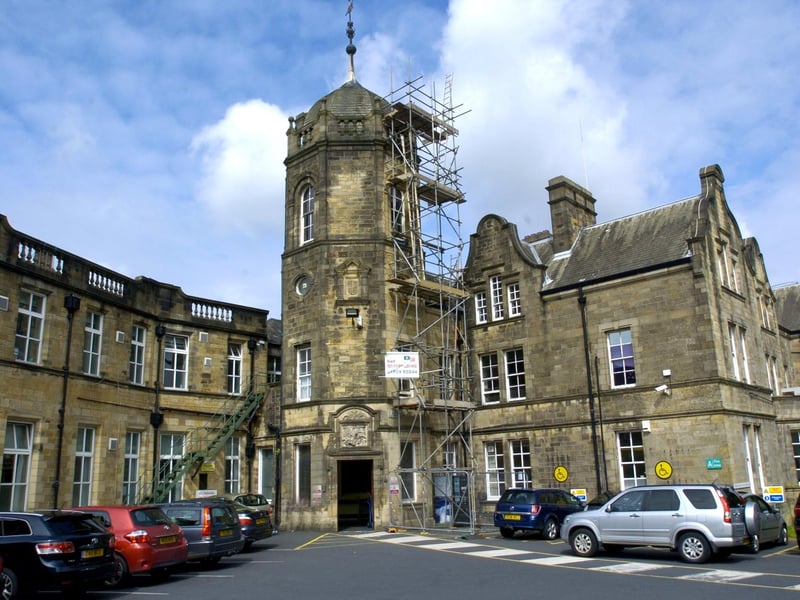
14. Royal Lancaster Infirmary - old building
The infirmary has its origins in a dispensary which opened on Castle Hill in 1781 and a fever hospital established in 1815. These two institutions combined in premises in Thurnham Street in 1833. A larger site on Ashton Road, which had previously been known as the Springfield Estate, was bought for £2,471 in 1888 and, following a donation of nearly £10,000 by local businessman James Williamson, the first building of the new hospital, designed by architects Paley and Austin, was opened by the Duke and Duchess of York in 1896. The original building is now Grade II listed. Springfield Hall was retained and used as an overnight nurses' home for the hospital. A new maternity unit opened in 1979, the pathology building was added in 1994 and the new centenary building opened in 1996. The Huggett Suite, a unit for treating stroke patients built at a cost of £1 million, opened in spring 2017 and a new therapies outpatient department, built at a cost of £1.2 million, opened in 2018. Photo: Garth Hamer
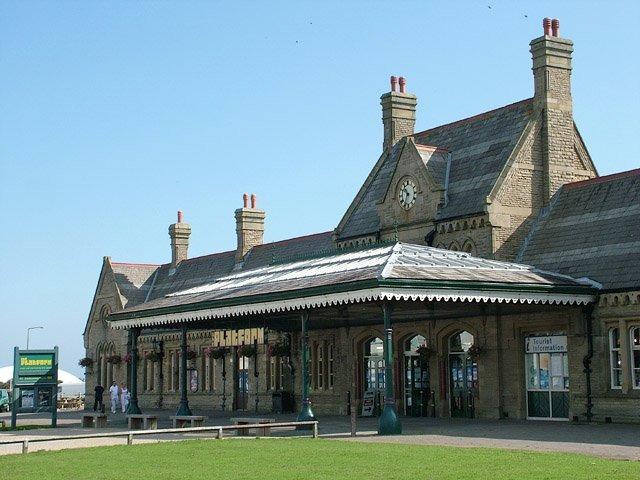
15. The Platform - formerly Morecambe Promenade Station
Morecambe Promenade Station was built by the Midland Railway Company as the terminus of the former “little” North Western Railway to exploit the numbers of holidaymakers moving between Morecambe, Heysham and Lancaster, and to provide a speedy service for port workers. Morecambe Promenade Station first opened to passengers in 1907 and had four main platforms and a goods siding. By the late 1980s tourism in Morecambe was rapidly declining. The station had remained largely unaltered and was far too large for the one to two trains per hour it now received. In 1993 the decision was taken to close Promenade Station and replace it with a new station situated slightly further inland and closer to the town centre. After closure the station building remained intact. The Morecambe Visitor Information Centre was based in the station from 1992 until its closure earlier this year. In 1997 it became the live entertainment venue and adjoining pub we still see today. Photo: National World
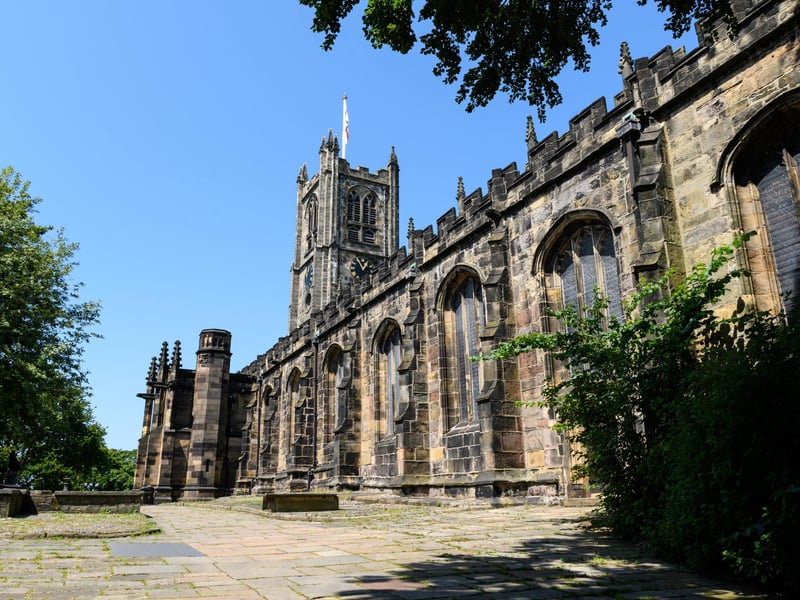
16. Lancaster Priory
Lancaster Priory Church is a Grade 1 listed building, located on a site which has seen Christian worship since Saxon times. It is of huge historical and archaeological importance and is one of the most frequently visited parish churches in the North West. It is likely that a Roman building existed on the site prior to others, possibly around the year 200. A Saxon church is thought to have stood on the site from the Sixth Century. The Medieval Church, much of which still stands today, occupies the site of the original pre-1430s structure. Some of the old stone belonging to the original Priory building has been used in the construction of the existing church building. Photo: Kelvin Stuttard