
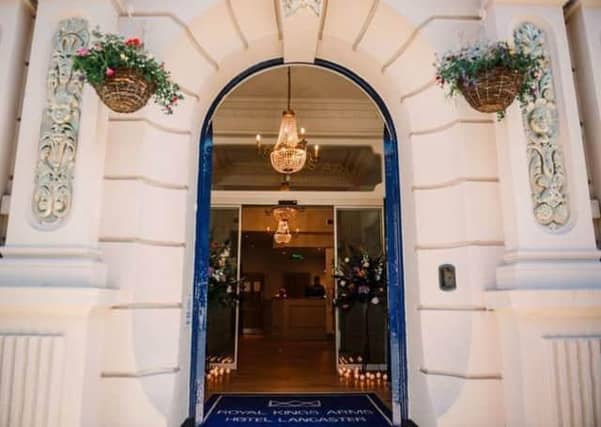

And some of the best examples of this historic past can be seen in the magnificent buildings found around Lancaster and Morecambe.
These structures have all been singled out because they hold listed building status.
In fact, the Lancaster district has over 1,300 listed buildings and structures, designated for their architectural or historic interest. A listed building is of national significance and is protected by the 1990 Planning (Listed Buildings and Conservation Areas) Act.
The 19 buildings we have chosen all have an interesting story to tell. Take a look.
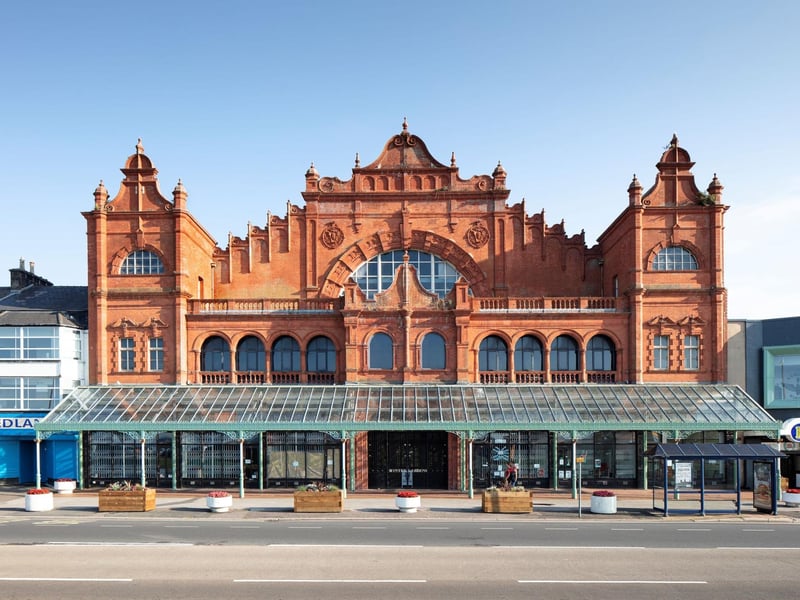
17. Winter Gardens, Morecambe
The Winter Gardens opened in 1897 as the Victoria Pavillion Concert Hall and Variety Theatre, as an extension to the existing Winter Gardens Complex which opened in 1878. Over the years it was the home of the internationally renowned Morecambe Music Festival, played host to Sir Edward Elgar, the Halle Orchestra and many others from variety, music and theatre. Built as both a concert hall and variety theatre, its 2500 capacity was one of the largest in the North West and it quickly became known as the Albert Hall of the North. By the mid-1970s, its fortunes were in decline and by 1977, the decision was taken to close the whole complex, culminating in 1982 with the demolition of the original Winter Gardens leaving only the theatre remaining and in a perilous position. However, a group of dedicated people formed the Friends of the Winter Gardens and have worked together since then with one aim to reopen the building. With the formation of the Preservation Trust in 2006, ownership of the Winter Gardens was transferred to the charitable body who have spent years cleaning, restoring, and fundraising to continue this aim. Now under new governance, the Preservation Trust with the help of its restoration volunteers and the Friends of the Winter Gardens are a step closer to the dream of finally restoring this remarkable Grade II* listed building. Photo: Submit
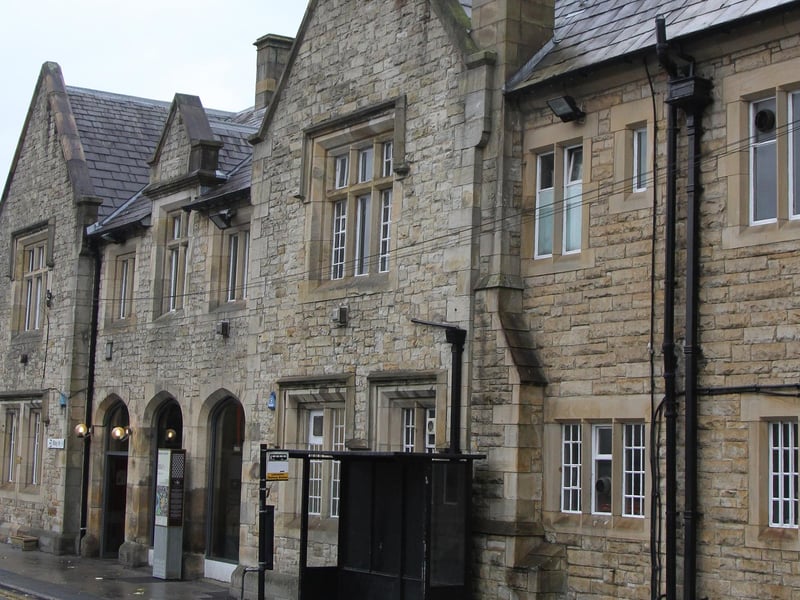
18. Lancaster Railway Station
Originally known as Lancaster Castle Station in order to distinguish it from the first Lancaster Station (1840–1849), Lancaster station was officially opened on September 21 1846. The first public service ran into the station on December 17 the same year. The station was built as the southern terminus of the Lancaster and Carlisle Railway after the initial planned route for the line - which would have followed Lancaster Canal and crossed the River Lune from Ladies Walk to Skerton - was changed in favour of a cheaper route west of the city. The station was remodelled in 1900-1906 when additional lines and platforms were added and further station buildings constructed. The new buildings were styled mock-Elizabethan with the intention of mirroring the battlements of the nearby Lancaster Castle. Platforms 5 and 6 (on the east side of the station) were electrified in 1908 to serve the now-closed Midland Railway route to Morecambe and Heysham. This line closed in January 1966 and the overhead line equipment was removed. The track layout in the station area was rationalised in 1973 when control of the signalling was transferred to the new Preston Power Signal Box. This included the removal of the track from Platform 6, although this platform had seen no regular use for some time prior to this. The West Coast Main Line through Lancaster was electrified in 1974, and regular electric passenger services recommenced at the station on May 7 1974. Photo: Paul Simpson
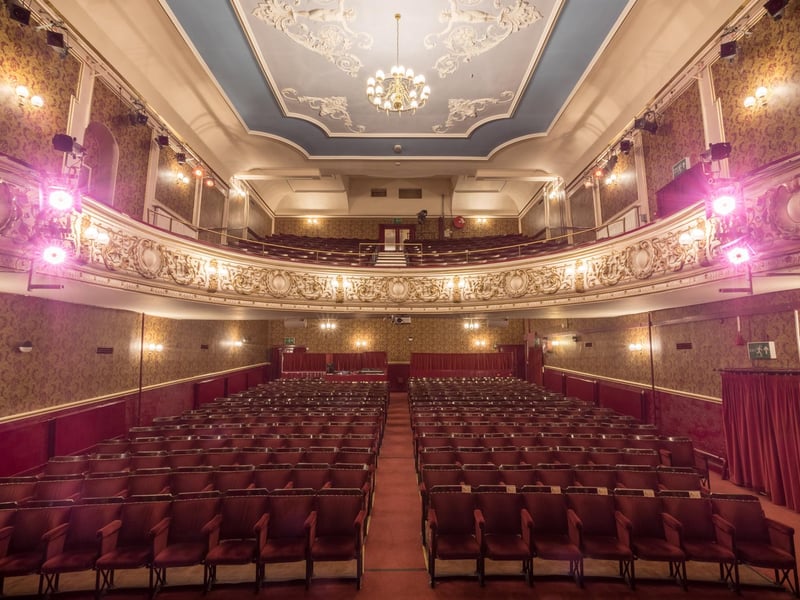
19. Grand Theatre, Lancaster
The Grand Theatre, under its many names, has been a major part of the social and cultural life of Lancaster since it opened in 1782. In 1897, Frank Matcham, one of the best known theatre architects, designed and supervised an extensive re-modelling of the stage and auditorium. In 1908, a major fire gutted the interior of the Grand, virtually destroying Matcham’s work. Phoenix-like, less than eight months later, it reopened in an Edwardian design maintained to the present day. In 1951, ABC Cinemas, the then owners, sold the theatre to Lancaster Footlights - the society who currently own it under a trust arrangement -and purchased it to secure the venue for amateur drama and music in the city. In 1959, the Footlights were served with a Compulsory Purchase Order as part of the St Leonardgate/Edward Street clearance for a relief road and industrial zone. This was cancelled in 1960. In 1978, the emergency (gas) lighting system was found to be unsafe and the theatre was threatened with closure. Funds to install an electrical system were raised by means of fundraising events. By 1979, it was becoming clear that major expenditure would be needed to halt the gradual deterioration of the building. Lancaster Footlights became a registered charity in 1972 and launched the first of four covenant-based fundraising schemes which raised more than £667,000. These schemes provided funding for specific projects designed to restore and improve the theatre. Today, as a result of a continual restoration drive, the theatre is in the best condition it has been since the rebuild in 1908 and now operates as one of the key north west venues for amateur drama, music and dance, and professional touring companies. Photo: Submit