
Heysham 1 power station's life extended for another two years
Heysham 1 power station will continue to generate low-carbon electricity until March 2030, plant operator EDF has announced.
The latest decision means the nuclear power station will now operate for an additional two years beyond its previously announced end-of-generation date of March 2028, continuing to provide low-carbon electricity
to homes and businesses across the country and supporting EDF's ambition to help power an electric Britain.
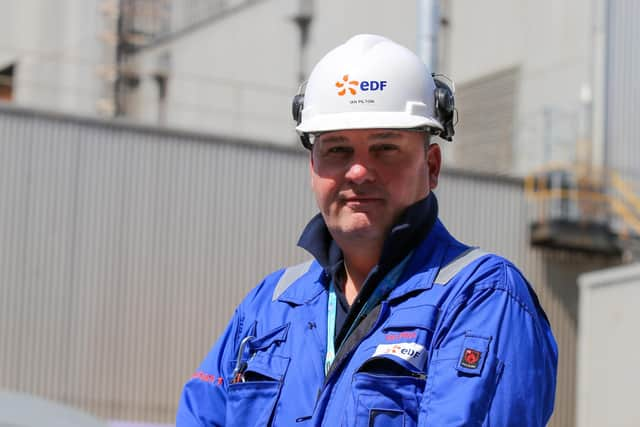
The move secures the jobs of around 530 staff and more than 200 permanent contractors for longer and follows the recent appointment of Ian Pilton as the plant’s new Station Director.
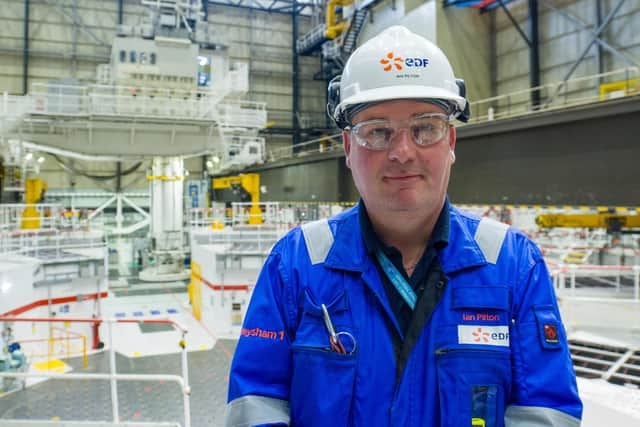

Having spent more than 20 years at the site in a variety of operational and leadership positions, Ian has welcomed the decision as positive news for both the workforce and the local community.
Ian said: "I've spent two decades working at Heysham and throughout that time I've seen first-hand the skill, commitment and pride our people bring to work every day.
"Heysham is a special place to work. We have generations of families connected to the station, a highly skilled workforce and strong links with the community around us.
“The dedication of our employees and contractors has made this extension possible, and they should be incredibly proud of what they've achieved.”
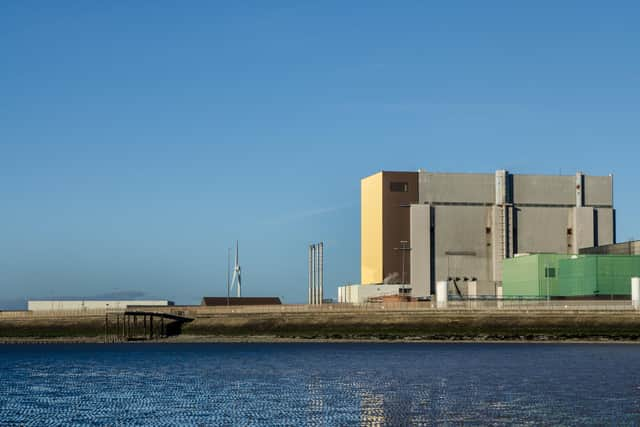
Today’s decision to extend Heysham 1's generating life means the station could boost nuclear output by 14TWh over the two-year period.
That's enough electricity to power more than four million homes and will help bolster the UK's energy security through reliable, homegrown power.
Hartlepool in Teesside has also been given a two-year life extension, meaning it is now expected to end generation in March 2030, the same date as Heysham 1.
The two stations have been considered as a pair throughout their operating lives, having been commissioned at around the same time and sharing similar reactor designs and operating characteristics.

Heysham 2 and Torness, which form EDF's other Advanced-Gas Reactor (AGR) station pairing, were not considered as part of this review.
However, following the decision to extend those two stations in December 2024, all four AGR stations are currently forecast to reach end of generation in March 2030.
The decision was taken following a detailed review covering technical aspects of the AGRs like the condition of the boilers and the graphite cores as well as supply chain resilience and workforce planning.
Ian added: "Having built my career here, there's no place I'd rather be and it's a real privilege to lead the station at such a positive time. I'm proud of what this site delivers for the country and I’m equally proud of the difference it makes locally through jobs, investment, community support and environmental stewardship.”
Tom Greatrex, chief executive of the Nuclear Industry Association, said: “Extending the life of both Heysham 1 and Hartlepool means two more years of reliable, clean power. The significance of this cannot be understated, given the UK's exposure to volatile gas prices and the need to protect households by providing baseload power.
"Heysham 1 and Hartlepool will now continue to play a crucial part for longer.
“Today’s announcement is also a reminder that, as our existing fleet approaches retirement, we must move at pace on new nuclear, taking the decisions needed now to deliver the next generation of reliable, secure, low-carbon electricity.”
When EDF acquired the nuclear fleet Heysham 1 was due to come offline in 2014 but ongoing investment in the AGR fleet has supported continued generation beyond this date, reducing reliance on imports.
This has helped keep the lights on for millions of Lancashire homes while avoiding more than 133 million tonnes of carbon emissions when compared with gas generation.
EDF's ambition remains to continue generating low-carbon electricity at its AGR stations for as long as it is safe and commercially viable to do so, with station lifetimes kept under regular review.