
Lancaster youngsters learn how to stay safe on the roads
Children and young people have been learning vital lessons to help keep them safe on the roads, from making sure they can be seen on dark winter journeys to understanding the risks they may face as new drivers.
The road safety charity Brake runs an annual Road Safety Week on a different topic each year.
This year, the theme is ‘Safe people on the move’. To mark the week, Lancashire County Council’s Road Safety team has been delivering two initiatives aimed at helping youngsters of different ages stay safe.
Primary school pupils have been taking part in Be Bright Be Seen sessions, with assemblies and interactive sessions highlighting the importance of being visible when walking to and from school on dark winter mornings and evenings.
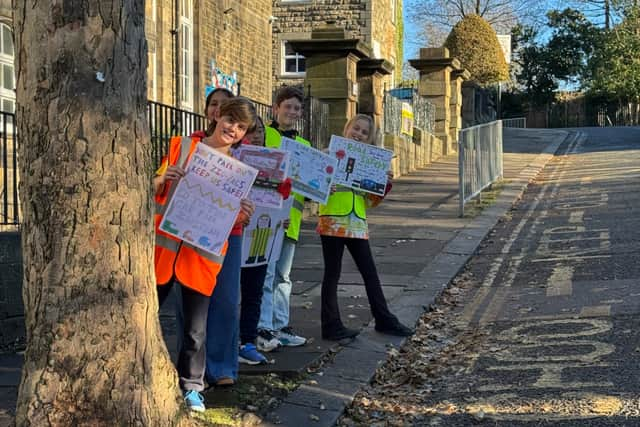

Youngsters have been encouraged to wear bright or reflective clothing and accessories and to carry a torch where appropriate.
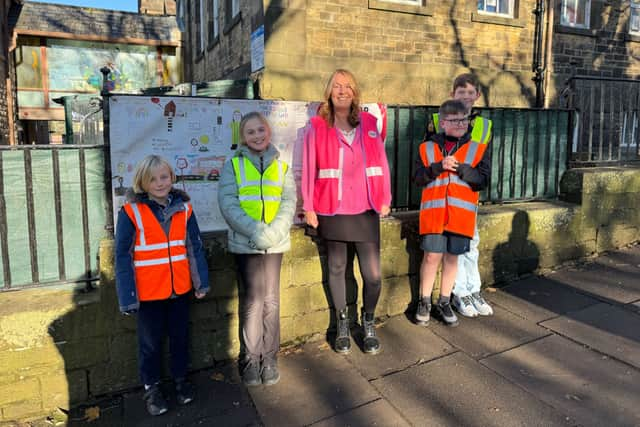
Dallas Road Community Primary School’s deputy headteacher Clare Fairclough, junior road safety ambassadors and other pupils have been taking part in safety awareness sessions at the Lancaster school.
Clare said: "We've been celebrating Be Bright, Be Seen with all of the children and parents at the school.
"We have been focusing on the importance of being seen, safe and bright, especially at night when it is dark outside.
"We've been working really hard to encourage parents not to park on double yellow lines. We have the children, wearing hi-vis jackets and reflective clothing and holding homemade posters, standing at the roadside and encouraging drivers not to park on the double-yellow lines and keeping everyone safe."
Meanwhile, secondary school and sixth form students have been learning about the risks faced by young drivers through Braking Point, a theatre production designed to help reduce serious collisions involving young people.
Featuring a cast of young actors visiting schools and sixth forms, the production brings to life some of the common behaviours and situations which can contribute to collisions, including the actions of both drivers and passengers.
The issue is particularly important in Lancashire, where one in five casualties in road traffic collisions are young drivers aged 17 to 24. Males account for 65% of young people in this age group who are killed or seriously injured.
Nationally, young male drivers aged 17 to 24 are four times more likely to be involved in a collision, while one in five young drivers crashes within a year of passing their test. According to road safety charity Brake, more than 1,500 young drivers are killed or seriously injured on UK roads every year.