
Morecambe pensioner with pneumonia sat in Lancaster A & E for two days as hospital faces severe demand on services
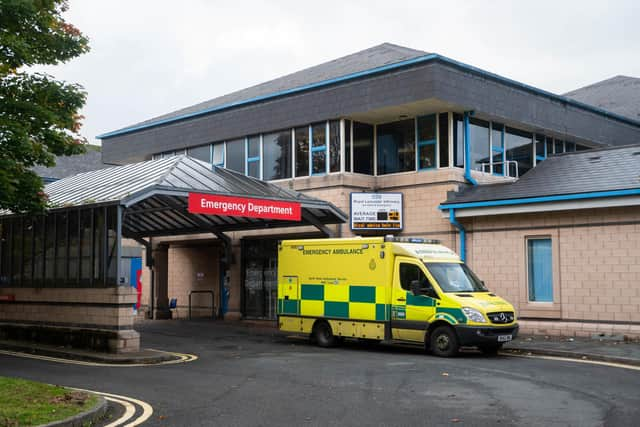
The Royal Lancaster Infirmary has been on the highest NHS alert level six times so far this year owing to severe demand on services.
And recently, a Morecambe pensioner with pneumonia spent more than two days on a chair in A&E waiting for a bed.
The situation is so worrying that Morecambe MP, Lizzi Collinge, has raised constituents concerns with the University Hospitals of Morecambe Bay Trust(UHMBT) , which runs the RLI, and she continues to highlight local issues as a member of the All-Party Parliamentary Group on Patient Safety.
One of patients’ major complaints is very long waits – sometimes more than 12 hours – in an A&E where information can be lacking and vending machines and water dispensers unreliable.

Sustained high demand, workforce pressures and a lack of available hospital beds, all contribute, according to the Trust.
“Over the past few months, we have worked closely with health and care partners to reduce the number of patients who no longer need hospital care from around 170 to around 120 per day and are making changes internally to ensure we only admit patients who absolutely need to be in hospital,” a trust spokesperson said.
“More people are using Emergency Departments(EDs), ambulance services and urgent care and the patients attending are often older, frailer and living with multiple or more complex conditions, which take longer to assess, investigate and treat safely.”
The RLI is further impacted by seasonal illnesses and by some people attending A&E with conditions that could be treated elsewhere but who find access to alternative services difficult.
The Trust has also admitted that staffing pressures contribute to the long waits.
“While our clinical teams work extremely hard, recruitment and retention challenges, alongside sickness and vacancies, can reduce capacity at peak times.”
UHMBT is facing ‘a significant financial challenge’ too, announced in December, with a ward closure at the RLI being one proposal to cut costs by £443,000 in 2025/6.
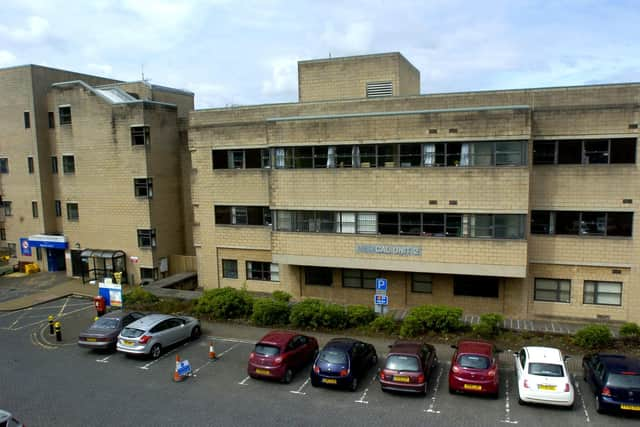
Currently, the Trust proposes closing two wards – 48 beds in total – at Castle View, previously Medical Unit 2, despite claiming that the availability of hospital beds ‘is one of the most significant pressures affecting ED waiting times.’
“Castle View is made up of two recently repurposed rehabilitation wards. Clinical evidence shows that keeping these patients in hospital longer than they need to be causes harm, including deconditioning and loss of mobility, increased falls risks and reduced chance of returning home with the same functional abilities they had prior to their admission.
“This is why the Trust is working hard with partners to ensure that patients receive the right care in the right setting in a timely way that improves their outcomes and maximises their independence.”
Among the options being considered is increasing the number of patients cared for in the ‘Virtual Ward’ .
The planned ward closures are currently going through the NHS Service Change Process which could include public consultation. A further update is expected this summer.
If the plans go ahead, the first ward would close either later this year or in 2027 with the second following ‘at a future date when further improvements have been sustained.’
“Changes to ward configuration are not taken lightly and are made to balance patient safety, workforce capacity and current needs.”