
Air quality improves again in Lancaster district
The air residents breathe in across the district continues to improve, with the latest monitoring showing that pollutant levels have fallen again in the past year, said Lancaster City Council.
The council’s latest air quality annual status report shows encouraging progress in efforts to protect public health with Nitrogen dioxide (NO₂) , PM10 and PM2.5 - harmful air pollutants linked to traffic, dust and smoke – dropping and staying well below national targets.
The council checks air quality throughout the year at 31 locations across the district, including residential areas.
Extra monitoring via automatic monitoring and low-cost sensors takes place in Lancaster city centre, which remains the district's only air quality management area.
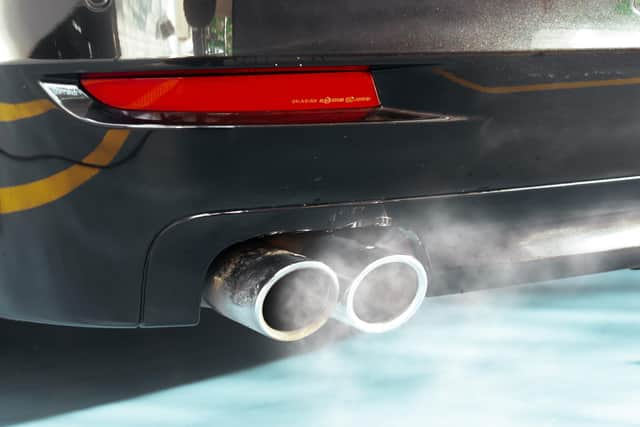

The council's monitoring programme and work to tackle air pollution has received positive feedback from the Department for Environment, Food and Rural Affairs (DEFRA).
Councillor Sue Tyldesley, cabinet member for air quality, said: "The latest results are encouraging and show that air quality across the district remains generally good, with pollution levels continuing to fall.
"While parts of Lancaster city centre still require close monitoring, we've made significant progress since the Air Quality Management Area was first introduced in 2004 and we're committed to continuing that work.
"Good air quality benefits everyone, particularly people with asthma, heart and lung conditions, older residents and young children. That's why we're continuing to invest in practical measures that help reduce emissions and create healthier places to live and work.”
Councillor Sam Riches, Cabinet Member for Climate Action, added: "We're expanding electric vehicle charging infrastructure, supporting the move to lower-emission vehicles and working with partners to improve traffic flow.
“We're also investing in better walking and cycling routes to make it easier for people to choose active and sustainable ways of getting around to build on the progress we have already made in the years ahead."
The council has already taken significant steps to reduce emissions.
As well as switching 57 council vehicles to electric and introducing Lancashire's first electric bin wagon, electric vehicle charging points have been installed in ten council car parks across the district.
Rapid charging points have also been introduced to encourage more taxi drivers to switch to electric vehicles.