
Plan to build fewer affordable homes adds to controversy surrounding Lancaster village housing development
Controversial plans for new housing in Nether Kellet are to come back to the table after developers asked to cut the amount of affordable homes in the scheme.
The plans for up to 51 houses in Main Road were approved by city councillors last November despite strong objection from villagers.
Almost 200 residents signed a petition against the development and 123 letters of objection were sent to Lancaster City Council.
Nether Kellet Parish Council also objected to the plan as did Kellet ward councillor Sarah McGowan, County Coun Phillippa Williamson and former MP for the area, David Morris.

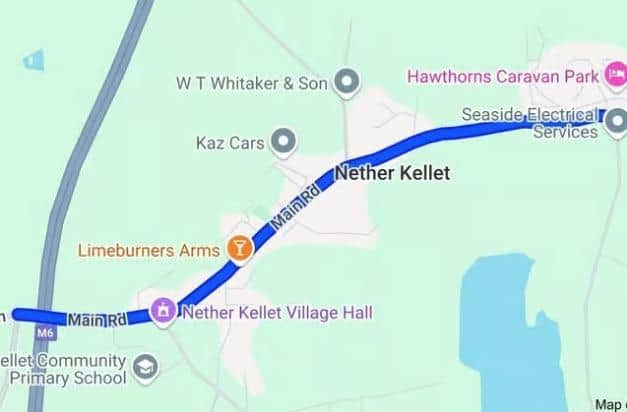
The proposal by Oakmere Homes will see the demolition of an existing building on an elevated field designated as open countryside to the east of The Limeburners Arms.
The properties will be built behind Springfield Gardens and Ash Meadow.
At the time, planning officers recommended that outline planning permission for the development be given the go-ahead with conditions including that 40 per cent of the housing should be affordable.
But the agreement contained a standard clause that the level of affordable housing be subject to review should viability be a concern.
The government framework sets out guidelines to boost the supply of homes, while also stating that the overall aim should be to meet an areas identified housing need, including an appropriate mix of housing types for the local community.
Affordable housing is an important form of housing that contributes to meeting the needs of different groups in the community.
In the Lancaster district, development proposals over 10 units on greenfield sites in the Rural East (including the Kellets) have a 40% on-site affordable housing requirement.
But if developers can prove a reduction is justified through lack of viability, this could be reduced.

A new report by city council officers now recommends that permission is still granted even if affordable housing levels are reduced.
“Our previous recommendation and the committee’s resolution attached significant weight to the provision of 40% affordable housing in favour of the proposal,” the report says.
"This combined with other benefits, including the provision of market housing, was considered to outweigh the identified harm.
“Fundamentally, the local planning authority would not accept a lower level of affordable housing unless a viability position was robustly justified.
"This would involve having the viability assessment independently assessed by our appointed viability consultant with the costs for such an assessment recovered by the applicant.
“With the inclusion of the viability clause in the Section 106 agreement, it is important to note the provision of affordable housing could be anywhere between 40% and nil, subject to justifying a reduction of affordable housing through viability evidence.
"The delivery of general market housing is afforded significant weight as would the provision of affordable housing.
"Should the viability lead to nil affordable homes, there would be no additional benefit above the significant benefits arising from the delivery of homes generally.
"Given the significant undersupply of housing within the district, it is considered that the benefits continue to outweigh the harm caused through the impacts on the setting of the heritage assets and the location of the development within the open countryside.”