
Lancaster and Morecambe police get new electric bikes
Lancaster and Morecambe police recently received two new EAPC (Electrically Assisted Pedal Cycle) bikes to enhance patrol capabilities and improve visibility across the community.
The initiative supports the reduction of crime and anti-social behaviour in the area during the Government’s Safer Town Centres focus and beyond.
The bikes were funded through the forces Prevention, Problem-solving and Innovation Fund, which provides an opportunity for projects to benefit from the Proceeds of Crime Act (PoCA) – money taken from the seized assets and cash of convicted criminals – by reinvesting it into the community.
Legally classed as a standard bicycle in the UK, EAPC’s electrical assistance (which cuts out at 15.5mph) will enable officers to cover larger areas during shifts, respond more efficiently, and provide increased reassurance to residents.
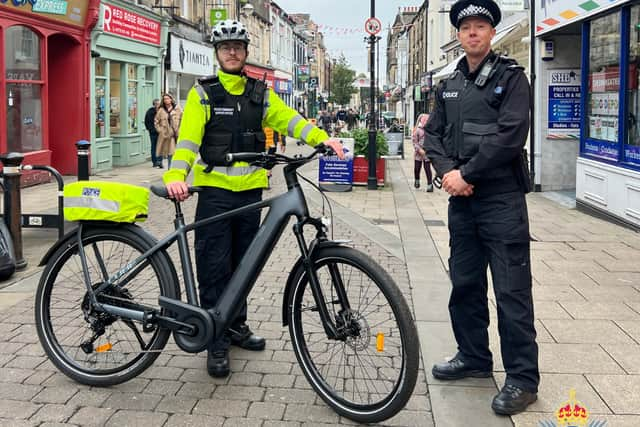

Geographic inspector for Lancaster and Morecambe, James Martin, said: “These bikes are a valuable asset to our neighbourhood policing team, allowing officers to respond to crime and anti-social behaviour more efficiently and cover areas more quickly than on foot patrol alone.
“Neighbourhood teams across Lancashire already use these bikes to support their work, and the addition of two new EAPCs will further enhance our ability to patrol local communities.
"This increased mobility will help us maintain a visible presence, engage with more residents and businesses, and proactively address issues such as anti-social behaviour, the illegal use of e-bikes and scooters, and retail crime.
“The EAPCs operate within a recognised legal framework, and all officers using them have completed comprehensive training to ensure they can be ridden safely, professionally and in accordance with the law.”
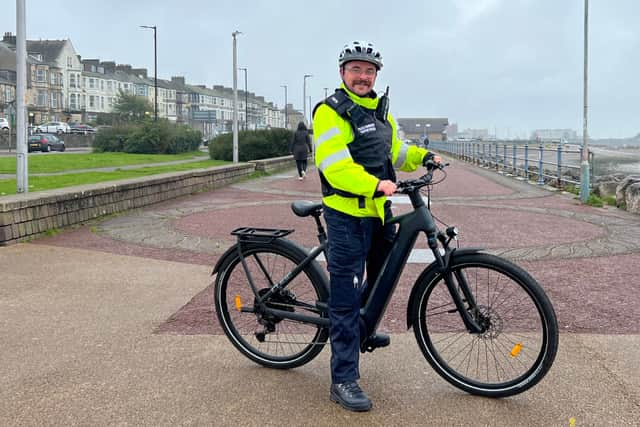
The Safer Town Centres Focus forms part of the Government’s Neighbourhood Policing Guarantee.
Running from Monday October 26 to Monday November 23, its aim is to showcase the local policing activity which takes place every day to address community concerns such as anti-social behaviour and retail crime.