
From charity shops to car boots: Lancaster among UK cities leading the thrifting revival
Second-hand shopping has firmly shaken off its old stereotypes.
What was once seen as a niche pastime has become a mainstream way to shop, driven by rising living costs, sustainability concerns, and a growing appetite for individuality on the high street.
Across the UK, charity shops, vintage boutiques and car boot sales are now thriving, offering shoppers the chance to find unique pieces while keeping costs and waste down.
As more people turn away from fast fashion in favour of pre-loved finds, some cities have quietly emerged as hotspots for thrifting.
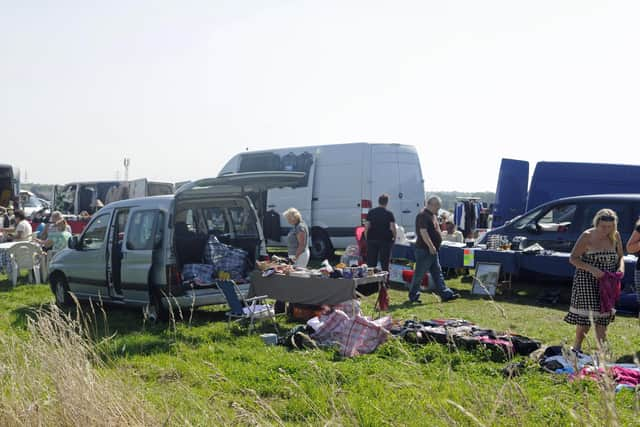

From bustling charity shop clusters to active online resale communities, these locations offer far more than the occasional lucky find.
To find out where thrifting culture is strongest, researchers at British sustainable fashion brand Eden Ashram analysed cities across the UK using a range of indicators, including the density of charity and second-hand shops, access to car boot sales, online resale listings, and the visibility of thrifting on social media.
Lancaster recorded a placing of sixth, with 7.42 second-hand shops per 10,000 residents, 5.51 charity shops per 10,000 residents, and 0.64 car boot sales per 10,000 residents.
It recorded 8.91 fashion only Gumtree listings per 10,000 residents, and the same number of Instagram thrift hashtags per 10,000 residents.
In contrast, Preston was only placed 62nd on the list.
Greg Watson, spokesperson for Eden Ashram, said the findings reflect a broader shift in how people approach fashion.
“We’re seeing more shoppers think beyond the price tag and consider the impact of what they buy,” he said.
“Second-hand fashion gives people access to distinctive, high quality pieces while significantly reducing waste. Yet enormous amounts of perfectly wearable clothing still end up being thrown away rather than passed on.
"Cities with strong thrifting cultures show what’s possible when resale becomes part of everyday shopping, not a last resort.”
He added that social media has played a key role in changing perceptions around second-hand fashion.
“Younger generations in particular are proud of their thrifted finds and keen to show them off,” he said. “Platforms like Instagram have helped prove that buying second-hand isn’t about compromise, but about creativity, individuality and shopping in a way that feels more responsible.”