
‘Be patient and don’t judge’ says Lancaster woman living with Long Covid
Saturday marked International Long Covid Awareness Day, and here Lancaster Guardian columnist Jane Binnion writes about her experience with the debilitating condition.
This week I sat in a Zoom meeting and sobbed; big, unattractive, snotty sobs, for 15 minutes.
And then a guided meditation left me smiling and hopeful, with the start of an epiphany forming.
Last weekend was Covid-19 reflection day, and many local authorities honoured those who died.
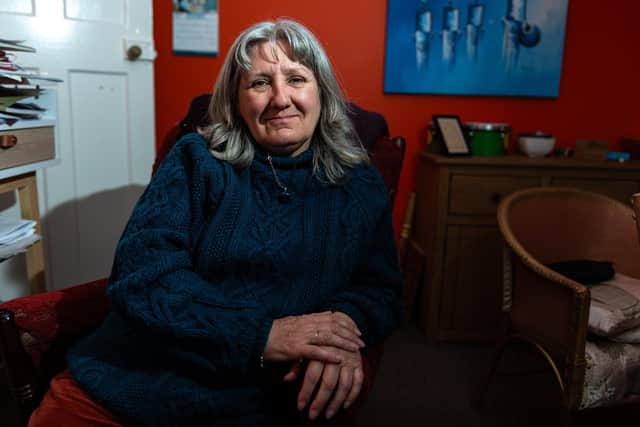

And rightly so, apparently the UK has ranked very poorly in all things Covid. But what about those of us whose lives are still impacted by it I said to anyone who would listen.
Let me transport you back in time to June, 2020, we were in lockdown and I caught Covid. I didn’t know it was Covid for a little while, until I couldn’t even get to my car, let alone drive to a testing station.
I recovered from that. And then, thinking it was pretty much over, I caught Covid again in January 2022 and before I had a chance to recover from that, I caught it again in the March, followed swiftly by laryngitis. And I never recovered.
Every few weeks I was experiencing recurring nasty Covid symptoms but testing negative. As a strong, healthy, active, hard-working outdoorsy woman, running a social enterprise and nipping up mountains for fun, I just assumed it would pass in time, and I kept working.
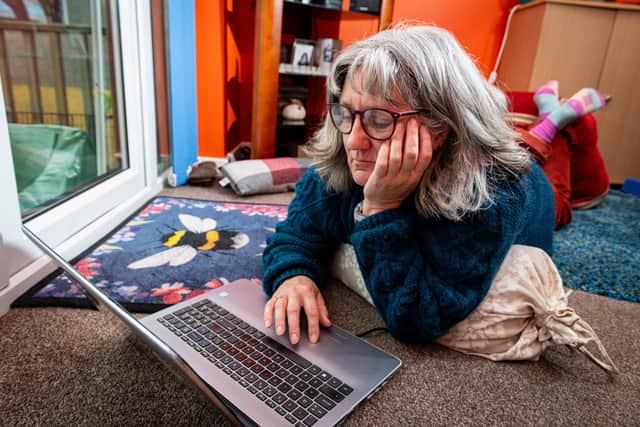
But this went on, and on, and on, and I became more and more poorly.
I decided I was going to leave the organisation I founded at Christmas 2024 and take some time off to rest, but I couldn’t make it, and I went off sick at Easter when I reached the point where I had to lie on the floor most of the time.
Initially I was referred to mental health support as they heard the words from a woman of a certain age, “I’m exhausted and not coping”. But it turns out I had Long Covid Syndrome. I was finally referred to the NHS Long Covid team and things changed.
We don’t have a cure but they worked with me to help me understand how to live with this condition. The best advice that they gave me was “you’re not going to get any better until you develop acceptance”.
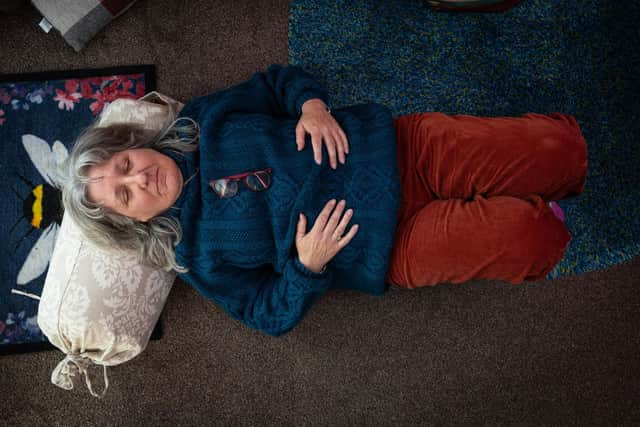
That was not something that sat well with me, I’m a fixer, did accepting mean giving up? It actually meant learning to live differently. I would have told you that I was good at relaxing, but in reality, I was good at changing activity whilst still living at 100 miles an hour.
I had to learn to do nothing at all, which is a whole lot harder than it sounds. Try it, do absolutely nothing for 10 minutes, no phone, no TV, no radio, no pottering, just sit with yourself.
The initial obstacle was my mindset. I was talking to a fellow LC person, Jackie, who said “it is like an ongoing grief.”
And that’s exactly how it was for me for a while, but I asked for some coaching sessions with a woman who works with ex-military with life changing injuries, and I learnt to explore how I can enjoy this new chapter of my life
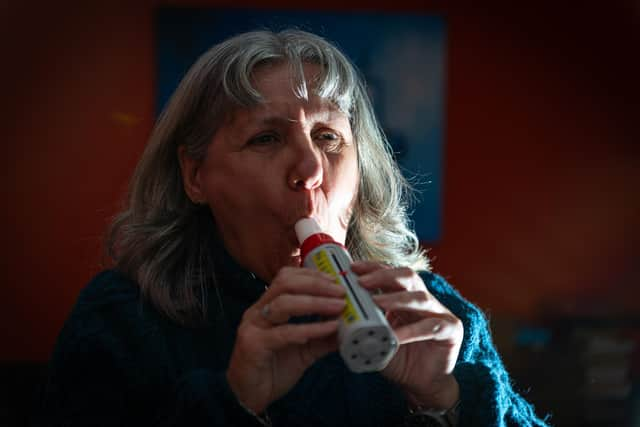
I still hope to recover, and I have taken steps to help with that, such as 30 hours of hyperbaric oxygen therapy, and a NHS trial of ashwagandha.
But like Jackie who I met in a support group, the support groups are possibly the most important part of my life right now. I remember over a year ago saying “I don’t understand how I am supposed to cope.
I was working three days a week and sleeping for the other four, living on processed food as I had no energy to cook.
I said, “I need to talk to other people going through this” and I was right. First, I found the Manchester support group who kindly let me join, then I joined Brain Health Recovery’s fortnightly zoom sessions.
Then I found Covid Community Support who provide an amazing range of resource, and I join one of their sessions most days.
The NHS, Long Covid teams are being disbanded as there is nothing more they can do for us, apparently, and that feels a lot like a sign that there will be no further investment into researching Long Covid. So we are lucky that, once again, the voluntary sector is plugging the gap.
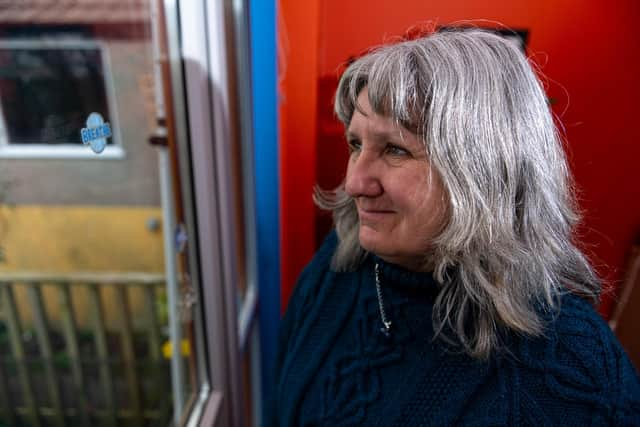
It was in one of those sessions, run by Yoga for Life, that I let the tears flow.
As Karen from Lancashire based Brain Health Breakthrough pointed out, peer support means that people feel properly listened to, with a level of understanding they can’t get anywhere else.
Being able to share means that people don’t feel so alone, and that is exactly what happened that day. I had crashed again, and I was feeling very low about it but it was a safe space where people were kind and supportive because they understand what it’s like.
When I look back I can see that I have improved, the oxygen therapy greatly reduced my brain fog and that makes a huge difference to my life. I know that I will crash again, but I’m getting better at recognising the signs.
I don’t know what the future holds for me, but my current big goal is to not end up in emergency care this autumn/winter with breathing problems.
For Long Covid Awareness Day, people would like you to know how isolated and misunderstood they feel.
Some ways we can better support those suffering from long-term Covid-19 symptoms are by offering practical help like bringing meals, assisting with chores, or providing transportation when needed. This can make a big difference.
Be patient and flexible when making plans, as their symptoms can be unpredictable. Don’t judge them for having to cancel or modify commitments.