
Lancaster hunt urges Government rethink on trail hunting ban
The Vale of Lune Harriers says the ban would threaten jobs, the hounds themselves and a service relied on by farmers...
A Lancaster hunt whose kennels have housed hounds since the reign of Queen Victoria has backed a cross-party warning that the government’s proposed ban on trail hunting should be dropped.
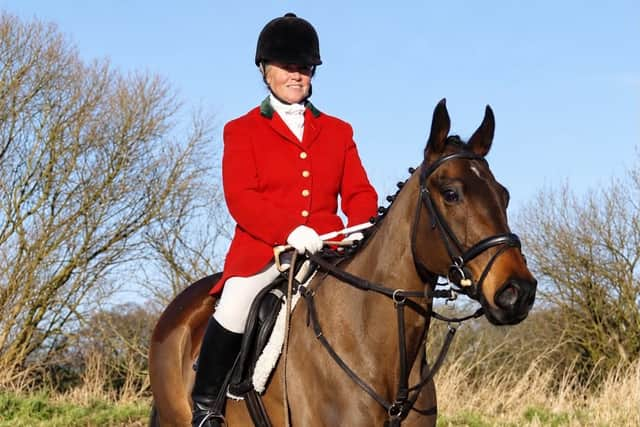

The Vale of Lune Harriers, which keeps 31 hounds of the rare Stud Book Harrier breed at kennels just north of Lancaster, said the ban would threaten jobs, the hounds themselves and a service relied on by farmers across North Lancashire, South Cumbria and North Yorkshire.
The hunt spoke out after Lord Blunkett, the former Labour Home Secretary, told a countryside campaign event in Westminster on Monday that the planned ban was a mistake and that trail hunting was doing no harm. Lord Cameron, the former Conservative Prime Minister, told the same event that the ban was completely wrong.
Lord Blunkett gave Andy Burnham his first job at Westminster, as his parliamentary aide, when he was Home Secretary.
He said that around 135 Labour MPs now represent rural or semi-rural constituencies, that their voices needed to be heard much more clearly, and that he was confident the Prime Minister would get the message and act on it.
The remarks came at the launch of the Countryside Alliance’s Campaign for the Countryside, which lists 27 policies the organisation says have damaged rural communities since 2024. Baroness Batters, the former president of the National Farmers’ Union who wrote the government’s review of farming profitability, also spoke at the event.
Hounds have been kennelled at the Vale of Lune since 1896. The hunt employs one full-time and one part-time member of staff and is supported by local volunteers.
Over the years it has raised thousands of pounds for local causes, most recently the air ambulance, the Farm Safety Foundation’s Yellow Wellies campaign and CancerCare, and it has hosted education visits for local schools and community projects.
It also operates a licensed fallen stock service, collecting dead and casualty livestock from farms and stables across North Lancashire, South Cumbria and North Yorkshire. The hunt describes the service as a vital and compassionate one for the local farming and equine community.
Trail hunting, in which hounds follow an artificially laid scent rather than a live animal, was adopted by hunts after the Hunting Act 2004 came into force.
More than 200 packs are registered with the British Hound Sports Association, and the sport is overseen by an independent disciplinary body, the Hound Sports Regulatory Authority, which is chaired by a retired High Court judge.
The Association estimates that hunting contributes around £100 million a year to the rural economy, that hunts directly employ more than 520 people and that more than 12,000 working hounds are kept in packs across England and Wales.
Labour’s 2024 manifesto committed the party to banning trail hunting on animal welfare grounds. Opponents of the practice argue that it can be used as cover for the illegal hunting of foxes, which hunts deny.
A government consultation on the proposed ban closed in June, and ministers have yet to publish their response.
Melanie Brook, Joint Master of the Vale of Lune Harriers, said: “The new Prime Minister has an opportunity his predecessor did not take.
“Dropping this ban would cost the government nothing but it would markedly improve its standing across a hundred rural constituencies and would free parliamentary time for the things voters actually care about, like the cost of living, immigration and rural crime.”
Olly Hughes, of the British Hound Sports Association, said: “Hunting with hounds is already subject to substantial regulation, something often overlooked in this debate.
“Hunts are subject to the Hunting Act as well as independent disciplinary oversight chaired by a retired High Court judge.
“The Government has yet to demonstrate that a further ban would deliver a meaningful animal welfare benefit, while the consequences for hounds, jobs and rural communities could be very real.”