

It also led to a boom in postcard production and attractive railway posters enticing people to take the train.
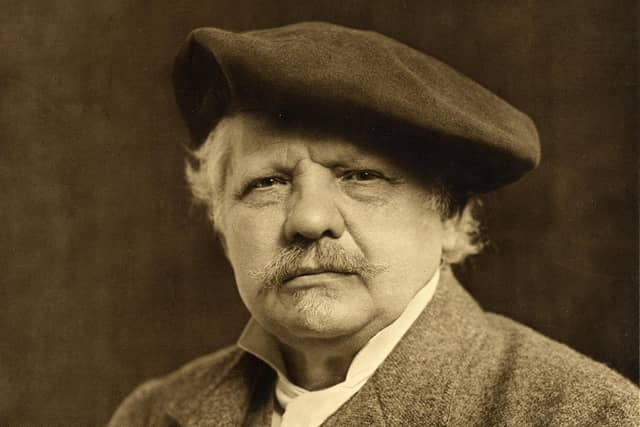
And this revolution which put Lancaster on the printing map was thanks to the partnership between a Bohemian-born artist and inventor – Karel Klíč – and the city’s own oil cloth
producers, Storey Brothers, during the 1890s.
The story behind this groundbreaking invention is told in a new free family friendly exhibition: Copy That – Karel Klíč – Art For All at Lancaster’s Storey Gallery from November
14-25.
It’s the culmination of a year-long programme by Lancaster-based arts and heritage charity, Mirador, and supported by The National Lottery Heritage Fund and Arts Council England.
Despite his great achievements, Klíč was little known in Lancaster until Mirador decided to mark the centenary of his death on November 16, 1927.
Due to his invention of photogravure printing - a process for reproducing high quality images - Klíč played a significant role in the city’s industrial life in the late 19 th and early 20 th
Centuries.
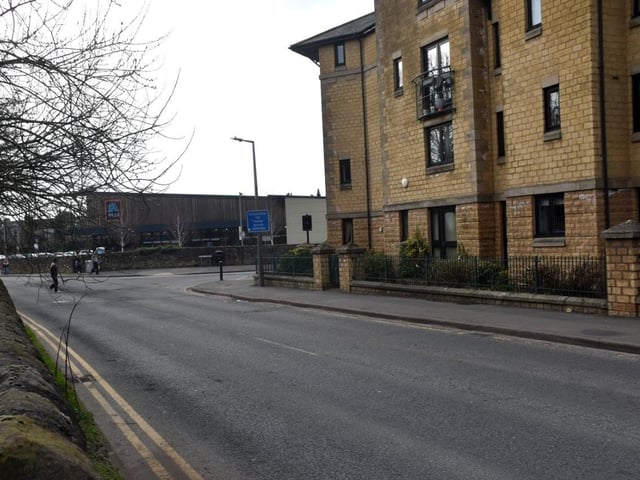
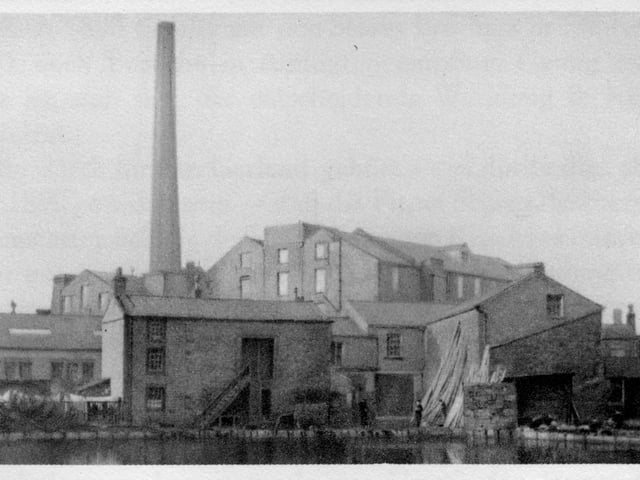
Together with Storeys, he established the Rembrandt Intaglio Printing Company at Queen’s Mill in Aldcliffe Road, now the site of Lancaster’s Aldi.
Using Klíč’s photogravure method, Rembrandt Intaglio printed fine art images so that households could afford to have art on their walls at home.
The invention also revolutionised the printing of pictures in the press, books and on postcards.
While in Lancaster, Klíč’ lived in Meadowside, now part of Lancaster Medical Practice where a plaque will be unveiled on November 16 along with an information panel in the waiting
room to tell patients about the man who once lived there.
Klíč was also a classically trained artist, fascinated in capturing likenesses, including those of Storey staff.
Among his many oil paintings of prominent Lancashire people are portraits of Sir Thomas Storey and his family.
It is fitting then, that the exhibition will be in The Storey which the family funded and will reveal all about Klíč, his background, his talents and his outstanding achievements.
Artefacts, paintings, documents and illustrations from across the UK, Europe and America will tell the intriguing story of how intaglio rotogravure revolutionised printing, marking an
important moment in media history.
The exhibition also links the past to the present as five artists - Lela Harris, Ginny Koppenhol, You’re Most Welcome, Leo & Hyde and Darren Andrews – will display their contemporary responses to the theme of copying including everything from takes on Vermeer to the Nineties rave scene.
Work by children and adults will feature in the community element of the exhibition in the Sir Thomas Storey gallery, downstairs at The Storey, and at The Cornerstone in Dalton
Square.
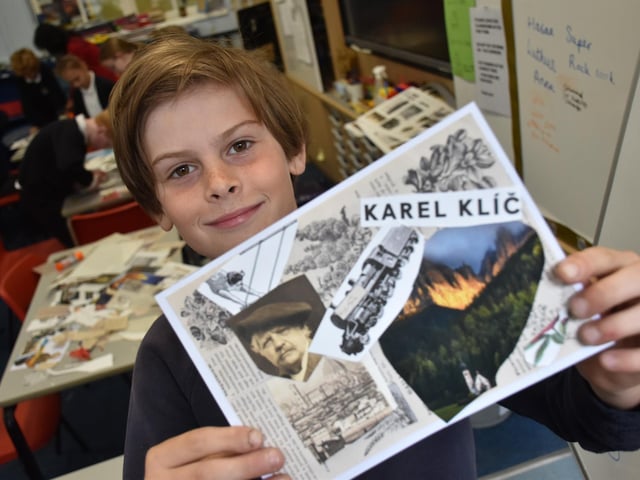
Dallas Road Primary and Lancaster Girls Grammar School pupils took part in workshops creating postcards, poetry and zines.
There were further Smartphone photography sessions with the East Meets West Refugee Women’s Group and Lancashire Youth Challenge as well as riso press and cyanotype workshops open to the general public.
The Copy That project also produced a free education and resource pack and a self-guided Town Trail available at https://miradorarts.co.uk/projects/copy-that/
Copy That – Karel Klíč – Art For All runs on Mondays-Saturdays from 10am-6pm at the Storey Gallery.
9. Bohemian artist and inventor Karel Klic
Looking towards the old Queen Street mill site, now Lancaster's Aldi store. Photo: contributed
10. Bohemian artist and inventor Karel Klic
The Queen Street mill site where Rembrandt Intaglio was based. Photo courtesy of Roger Farnham Photo: Roger Farnham
11. Bohemian artist and inventor Karel Klic
A Dallas Road Primary School pupil with a postcard completed during the Copy That workshop. Photo by Darren Andrews Photo: Darren Andrews
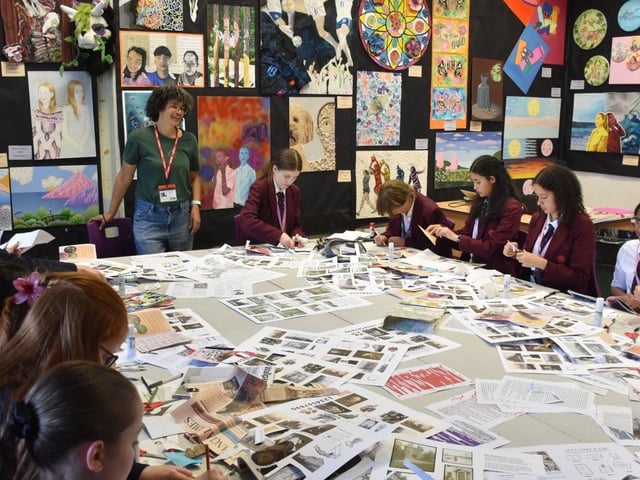
12. Bohemian artist and inventor Karel Klic
Artist Lela Harris pictured with Lancaster Girls Grammar School pupils during the Copy That workshop. Photo by Darren Andrews Photo: Darren Andrews