


With the majority of Brits planning to indulge in at least one cheeseboard this Christmas and 70 per cent of us more willing to try new types of cheese compared to the rest of the year, fourth-generation Lancashire family cheesemakers Butlers Farmhouse Cheeses have teamed up with cheese expert and World Cheese Awards judge, Patrick McGuigan AKA “the walking cheese encyclopaedia”for his tips on creating a memorable and delicious festive cheeseboard.
Check out what Patrick has to say on the pages below.
5. Wine pairing
“Don’t worry about trying to pair each cheese with wine – you’ve likely already had a few drinks during the day,” says Patrick. “While red wine is what people often think goes best with cheese, a white wine such as Riesling or a dry Chardonnay pairs well, as its acidity will cut through any cheese. I recommend lighter red wines that don’t have a lot of tannins, like a Pinot Noir, as the heavier reds can clash with blues and soft cheeses. “Sparkling wine goes with everything as it’s a bit lighter and livens up the palate, balancing the richness of cheese. The carbonation of beer and cider also work well.” | submit

6. Cutting cheese
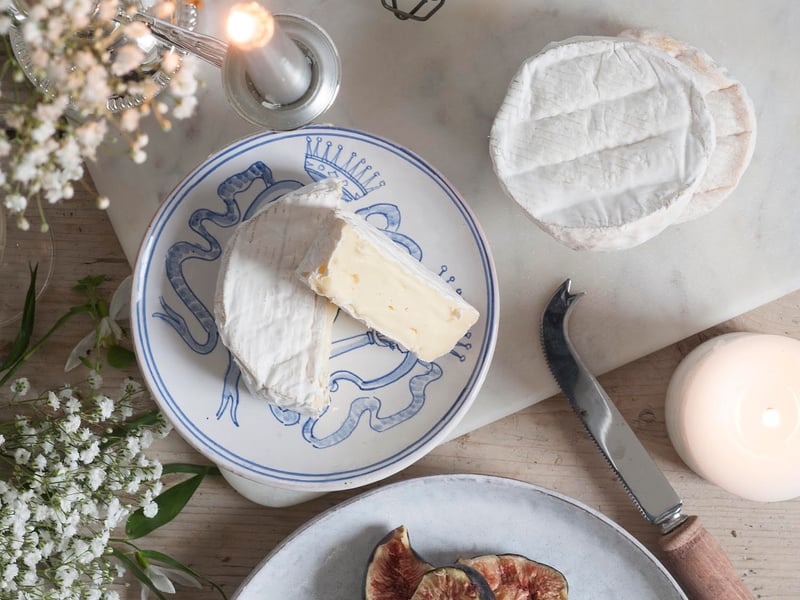
There is a right and a wrong way to cut a piece of cheese, as Patrick explains: “Cheese needs to be cut in a cross section from the centre (the heart) to the rind. The heart is more protected so can taste citrusy and fresh, and the rind is usually has more intense, savoury notes. “Avoid cutting the thin end of the wedge (the nose) as it only offers one part of the flavour profile. It’s a good idea to pre-cut some slices or cubes on the board to ensure guests follow the cheeseboard etiquette of how to cut their own portions.” | submit

7. Storage
“Cheese needs to be served at room temperature and kept in the fridge the rest of the time. Only bring out the amount of cheese you plan to eat at that time as warming it up and cooling it down again will make the quality deteriorate.” Patrick adds that he likes to “create a protective little cave in the fridge by storing cheese in the salad drawer away from the fans and cold, main body of the fridge. Cover the cheese with a piece of clean cardboard for another layer of protection. Huddle your cheese together, they like to be close to one other (as long as they’re individually wrapped). Cheese can also be frozen if there is some leftover and look for creative ways to use it in pasta and other dishes post-Christmas.” | submit