
Lancaster City Council’s planning process defended after village homes proposal row
A council’s assessment of a controversial plan for 200 homes near a Lancaster village was done properly, a leading councillor has insisted.
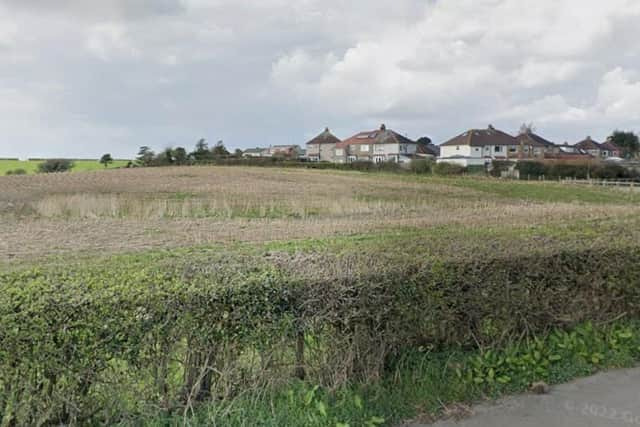
Lancaster City Council’s consideration of the housing plan for farmland west of Slyne Road, Bolton-le-Sands, was criticised by objectors including some residents and a former MP at last week’s planning committee meeting.
The application by Wrenman Strategic Land had some support but was ultimately refused by the majority of councillors, against the advice of council officers.
Key concerns from objectors were around land tests for potential contamination risks from a neighbouring animal burial pit, dating from the 1965 foot-and-mouth disease outbreak; and whether the Slyne Road fields should be defined as grey belt or green belt.

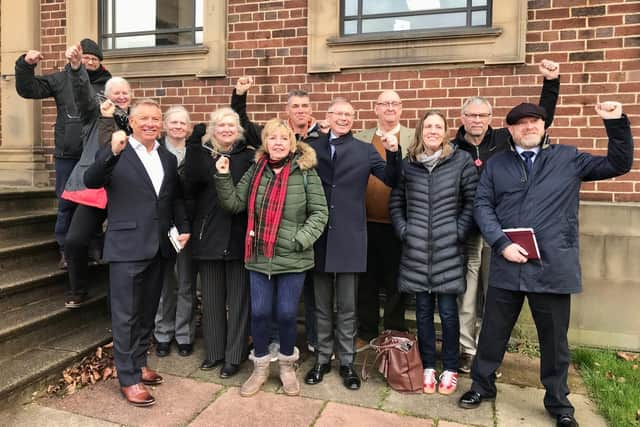
Former MP David Morris strongly criticised some parts of the council’s assessment. He claimed the plan relied on ‘generic case study information’ from the 2001 foot-and-mouth outbreak rather than specific site investigations.
Asked to comment after the planning meeting, committee chair Coun Sandra Thornberry said: “The committee carefully considered the officer recommendation but ultimately concluded that the harm arising from this proposal was not outweighed by its benefits.”
“With regard to claims regarding site-specific investigations, the officer’s report made it clear that the planning application was accompanied by two contaminated land assessments, including an intrusive site assessment.
"Planning officers also consulted the Environment Agency and the council’s environmental protection manager.

“The committee report provided a full analysis of the situation. In the event that the application had been approved, officers had recommended adopting a precautionary approach by recommending that an ‘unforeseen contamination’ planning condition be attached to any planning permission.
"It would be the responsibility of the developer to then remediate the land to the satisfaction of the authorities.”
The other main objection was about defining grey belt – a new term for land that has been developed in the past or which, arguably, contributes less to the green belt and could be suitable for development.
Lancaster planning officers had defined the Slyne Road fields in the application as grey belt – but objectors said it remained green belt.
On this, Coun Thornberry said: “Any suggestion that national grey belt policy has been misrepresented by officers is incorrect.
"!Grey belt policy was introduced by the government in December 2024, and the officer’s report carefully and comprehensively considered the proposals against grey belt policy.
“However, councillors on the committee are entitled to make their own subjective judgement regarding grey belt land.
"In this case, councillors concluded the site did not meet the definition and that the development would be inappropriate.
“Any reference to the current national grey belt consultation is not relevant to the planning decision. Planning applications must always be determined in accordance with the existing national guidance and local policy.”
Ultimately, a majority of councillors refused the application, although a minority supported it along with an agent representing Wrenman.
They said new homes were needed in the area and the Bolton-le-Sands site was ideal, with good transport links and local services.