
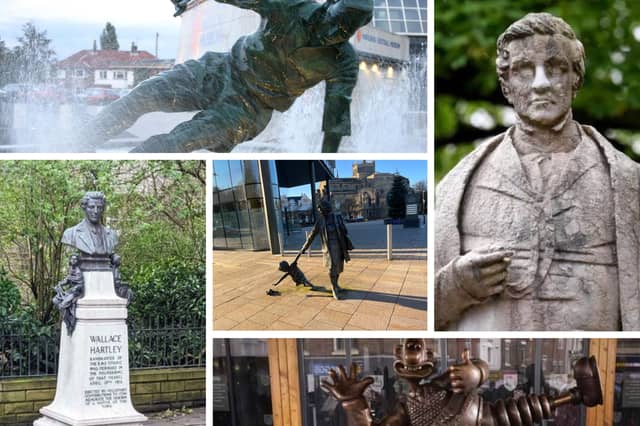

From sportsmen to comedians, Titanic heroes, witches and politicians, Lancashire has a lot of people to celebrate - and we’ve done it in style.
Take a look at the pictures below to find out what some of our most famous statues mean, and where to find them.
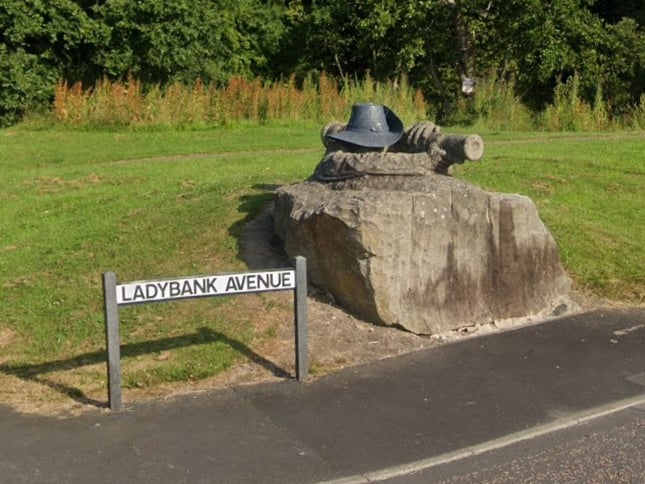
13. Brothers in Arms, Fulwood
At the entrance to Ladybank Avenue, Fulwood, facing each other across the road, are two stone men, the Brothers in Arms. Created by Lancashire sculptor Thompson Dagnell, this commemorates the Battle of Preston, which was fought on August 17, 1648. On his website Dagnall writes: "The realisation that fellow countrymen fought and died in these very fields led me inevitably to a sculpture referring to the English Civil War. “ | google Photo: google

14. Pendle Sculpture Trail, Nelson
The Pendle Sculpture Trail is located in Aitken Wood near the village of Barley. Featuring 16 new sculptures by 15 different artists, it was launched in 2012 as part of the commemoration of the 400th anniversary of the Lancashire Witch Trails trial of 1612. | Walks4All
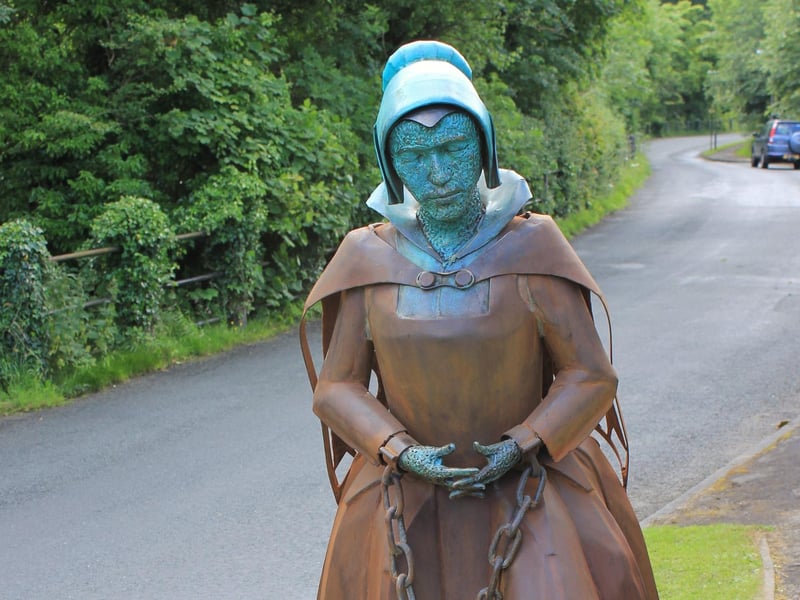
15. Alice Nutter statue, Roughlee
To commemorate the 400th anniversary of the infamous witches trials, one of the best known – Alice Nutter – was immortalised in 2012 as a statue in Roughlee village from where she came. The statue itself was designed and created by local artist and architectural steel engineer, David Palmer of DP Structures Ltd, also responsible for Nelson’s Shuttle. | submit Photo: Submit
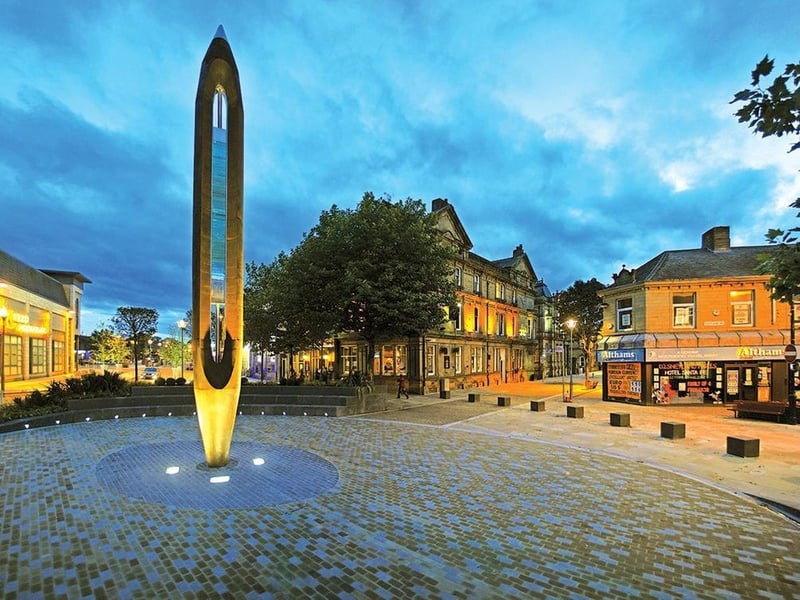
16. The Shuttle in Nelson town centre
David Palmer from Nelson, designed the five-tonne sculpture, which now sits within Market Square, which serves as a modern salute to Nelson’s historic weaving industry. Hardscape started working with Pendle Borough Council on this project in early 2008 with the aim to completely regenerate Nelson town centre over two phases of work. An eliptical basalt amphitheatre where the Shuttle was positioned, was designed by Pendle Borough Council then drawn and manufactured by Hardscape. Further to the amphitheatre there was 4000m2 of Yorkstone paving and granite kerbs/setts used. The phase was finally completed in August 2011. | submit Photo: submit