
Morecambe volunteer gardener wins award for her work protecting rare vegetable seeds
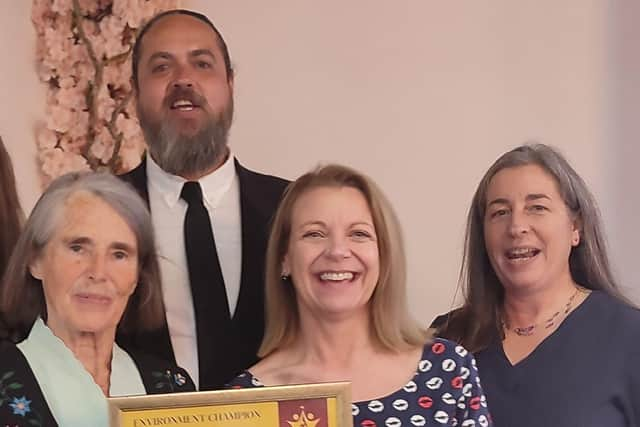
A green-fingered volunteer gardener has scooped an ‘Environment Champion Award’ for her work protecting rare vegetable seeds.
Nadia Mazza was announced as one of the winners in the community category of the 12th Community Inspiration Awards 2024.

The award recognises an individual or organisation that’s been helping to make positive improvements to the environment.
The group was commended for the way their work gives people the agency to grow, save, breed, and develop the edible heirlooms and biodiversity of the future.
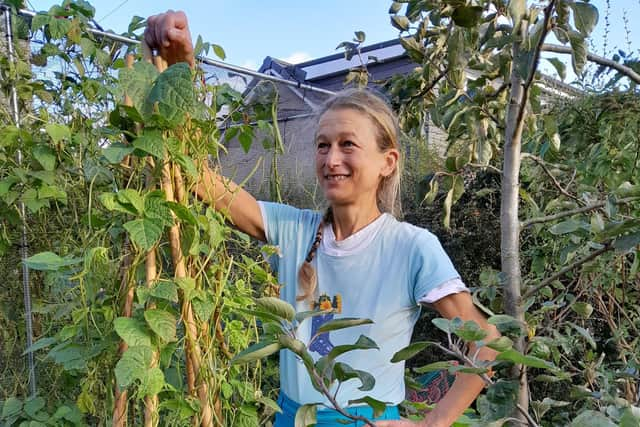
Nadia moved to the Morecambe countryside to become a more self-sufficient gardener and in her Overton garden grows a range of crops for the Heritage Seed Library – and the climbing French beans have been a real success story.
“My stripey tiger beans have been prolific, producing a huge amount of beans, which I’ll return to the Library. Where can you buy tiger beans in the shops? It’s amazing I’m able to grow these beautiful beans in the wetter northwest of the UK!
“Increasing resilience and biodiversity, and keeping old seed varieties alive, is so important. If everyone grew the same vegetable varieties year in, year out and they got attacked by pests or diseases, we would have serious problems.”
More than 200 seed saviours are nurturing heritage seeds and plants on their veg plots and sending their seeds back to the library, based at Ryton Gardens, near Coventry.
Here, they replenish and secure almost half of Garden Organic’s 800-strong National Collection of Heritage Vegetables, which are passed on to current and future generations – supporting food security and plant diversity.
The UN’s Food and Agriculture Organisation estimates 75 per cent of crop diversity was lost between 1900 and 2000. In the face of biodiversity loss and challenges like climate change, preserving a wide range of species and varieties is crucial.
“Each heritage variety thriving under the care of a Seed Guardian expands our options for developing resilient plants,” said the head of the Heritage Seed Library, Catrina Fenton.
“These dedicated volunteers produce approximately half of the seeds needed for conservation efforts each year - ensuring the continued existence of these varieties.”