
Environment Agency reveals how Morecambe’s bathing waters fare in latest standards ratings
The standard of the bathing water at Morecambe’s beaches has been announced in the latest Environment Agency ratings.
Morecambe North and South beaches are among 449 designated bathing sites in England classified by the Environment Agency.
Each year bathing waters are classed as ‘Excellent’, ‘Good’, ‘Sufficient’ or ‘Poor’, based on four years of monitoring data by the Environment Agency.
The Environment Agency monitors levels of bacteria at bathing water sites in rivers, lakes and the sea across England between May and September each year by taking thousands of samples.
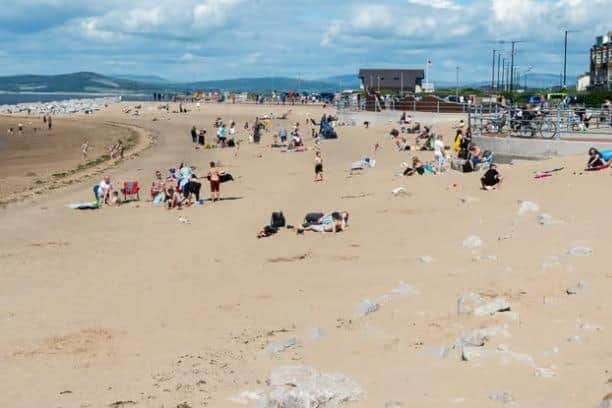

Levels of bacteria are affected by pollution from sewage spills, agriculture and other sources – but can also be affected by the weather.
Morecambe South has retained its ‘Good’ rating from 2024, while Morecambe North is rated as ‘Sufficient’, the same as in 2024, meaning it meets minimum standards.
Alan Lovell, Chair of the Environment Agency, said: “Bathing water quality in England has improved significantly over recent decades, and this year’s results show the continued impact of strong regulation, investment and partnership working.
“But we know there is more to do, and the new bathing water reforms will strengthen the way these much-loved places are managed.
“The Environment Agency is working closely with Defra to ensure these changes are implemented effectively whilst our teams continue to work with water companies, farmers, councils and local groups to tackle all sources of pollution and support continued progress across sites.”
Alongside the annual classifications, the government’s new Bathing Water Regulation reforms came into force on November 21, which are designed to change the ‘one size fits all’ approach and more closely reflect how people use our beaches, lakes and rivers.
Water Minister Emma Hardy said: “These changes sit alongside our wider action to clean up our waterways so communities across the country can enjoy the places they care about most."
Out of the 449 sites regularly tested this summer, 93% met minimum standards for levels of bacteria in the water, linked to sewage spills, agricultural pollution and other factors. That is better than the 92% of 2024.
Overall, 32 sites were rated ‘Poor’ – down from 37 in 2024, which was the worst year since the new measurement system began in 2015.