
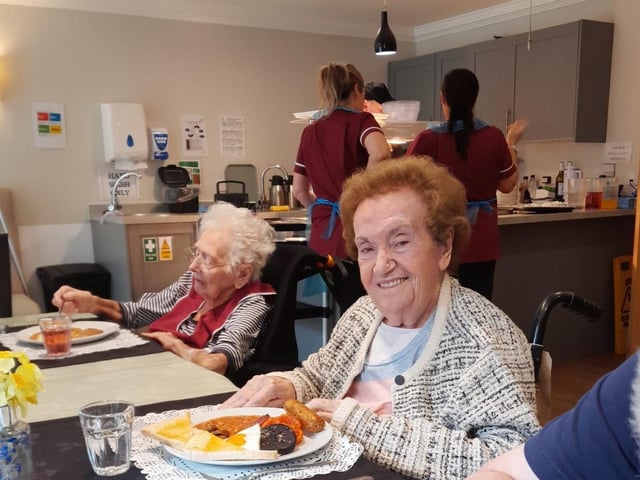
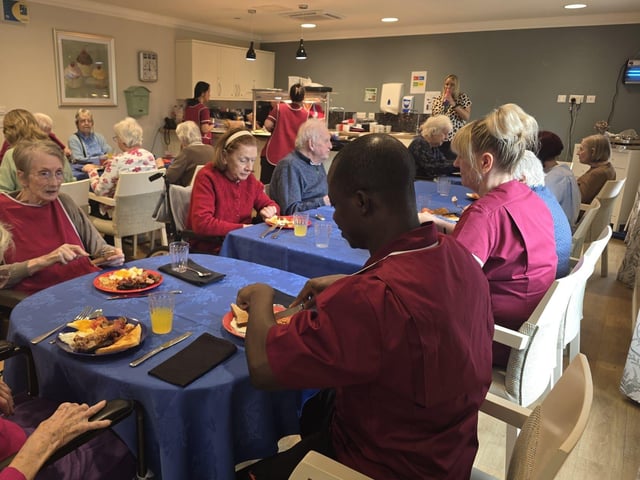
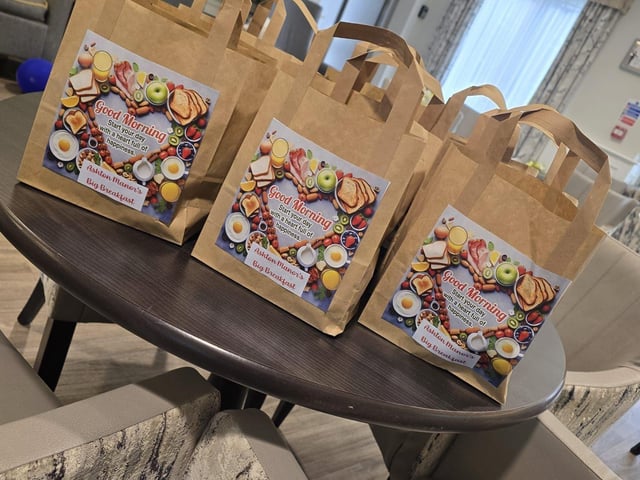
Across the week, the care home is hosting a series of activities including a shared breakfast where residents and colleagues sat down together, alongside a 'big breakfast bag' prepared for team members arriving later in the day so they can still take part.
While the week focuses on enjoying good quality, locally sourced, nutritious food, the care home is also highlighting an important issue.
Dehydration in older people can increase the risk of infections, falls and hospital admissions, and is linked to reduced mobility and fatigue. Even mild dehydration can affect concentration and overall wellbeing.
For people living with dementia, the risks are even greater. People may forget to drink, struggle to recognise thirst or find it difficult to communicate their needs. This can lead to dehydration, which in turn can worsen confusion, increase the risk of urinary tract infections and impact overall health. Evidence also shows that even mild dehydration can significantly affect cognitive function, making symptoms more pronounced.
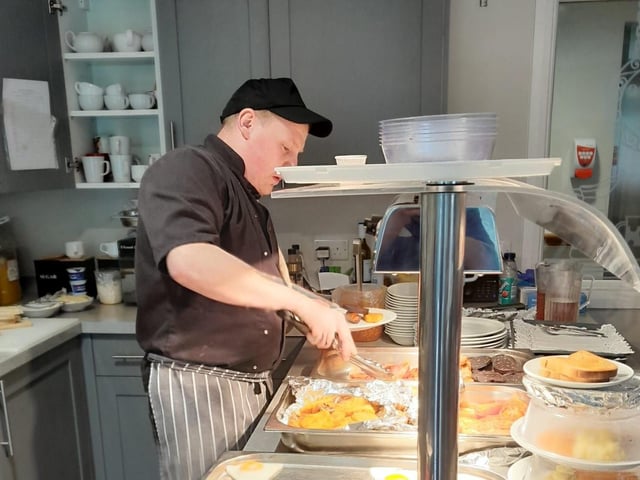
At Ashton Manor Care Home, mealtimes are an important part of care. Residents enjoy home-cooked meals prepared by the in-house chef, with weekly menus developed alongside residents to reflect their preferences and tastes. Across a range of dining areas and informal spaces, residents can enjoy food and drinks in a way that feels relaxed and familiar.
Mealtimes also bring people together. Sitting around the table, chatting and being part of what is going on can make a real difference, especially for people who might otherwise spend more time on their own. For residents living with dementia, these moments can help with confidence, mood and feeling more settled.
The home also supports residents with more complex needs, including those with swallowing difficulties (dysphagia). Meals and drinks are adapted to the right consistency to ensure they are safe to consume, while still being appealing and enjoyable.
Bringing colleagues and residents together at the breakfast table was a simple but effective way to encourage engagement. Sitting together, sharing food and taking time over the meal helps prompt appetite, encourages fluid intake and creates a sense of routine, all of which support better nutrition and hydration.
Joanne Tyson, Home Manager at Ashton Manor Care Home, said: “Hydration and nutrition are such an important part of people’s health, but it is often the small things that make the biggest difference. Sitting down together, making mealtimes relaxed and encouraging people to eat and drink in a way that feels natural really matters. That is what we try to do every day.”
Ashton Manor Care Home’s approach reflects a wider understanding across the care sector that supporting people to eat and drink well is not just about meeting basic needs, but about improving quality of life, maintaining independence and helping people feel at home.
1. Hydration and Nutrition Week
Residents enjoyed delicious, home-cooked food to raise awareness of the importance of nutrition and hydration. Photo: Submitted
2. Hydration and Nutrition Week
Residents at Ashton Manor Care Home in Lancaster were joined by the team at the care home for breakfast. Photo: Submitted
3. Hydration and Nutrition Week
The care home's chef prepared delicious meals throughout the day, adapted to people's preferences and needs. Photo: Submitted
4. Hydration and Nutrition Week
Breakfast bags were shared with other colleagues at the care home. Photo: Submitted