
Public invited to share stories and photos of Morecambe to help capture coastal magic
Historic England is launching an interactive map of historic coastal landmarks, celebrating the country’s vibrant seaside heritage.
And they are asking people to contribute to the Missing Pieces Project, adding to the story of coastal places that hold a special place in their hearts and minds.
The map celebrates nearly 300 years of seaside history, from elegant Victorian piers to beloved 20th century amusement parks, in seaside destinations that continue to welcome millions of visitors each year.
From piers and pavilions to beach huts and bandstands, lidos and lighthouses, the project celebrates the evolution of Britain's seaside resorts from health retreats for the Victorian wealthy to holiday destinations for everyone.

People across the north west are encouraged to submit photographs, drawings, written information or audio recordings about coastal landmarks that hold personal significance – whether it's a childhood holiday destination or a local landmark that symbolises home.
Duncan Wilson, chief executive of Historic England, said: "Our seaside places hold a special place in our national story, yet the full richness of their heritage cannot be captured without the first-hand accounts, images and memories of those who've experienced them. I encourage people to contribute to the Missing Pieces Project, so we can all help ensure these treasured coastal landmarks are celebrated."
Historic England’s new interactive map shows the listed places – including rollercoasters, bathing pools, railway stations, chalets, public gardens and more – that can be found around England’s coastline, including, in the north west:
*The Big Dipper, Blackpool Pleasure Beach (Grade II listed): Built in 1923, The Big Dipper is the second oldest in-use rollercoaster in Britain and one of only 37 pre-World War Two wooden rollercoasters worldwide, of which four are at Blackpool Pleasure Beach.
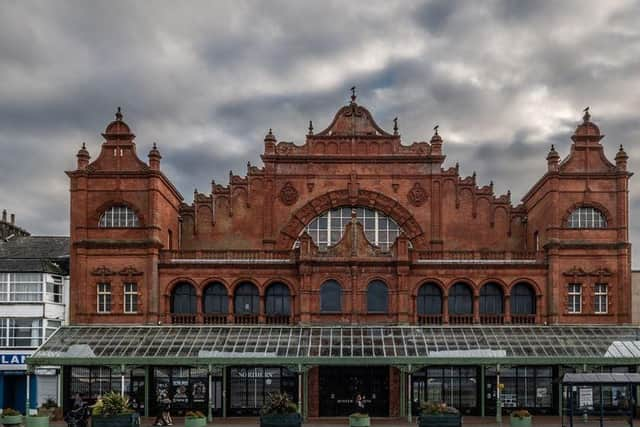
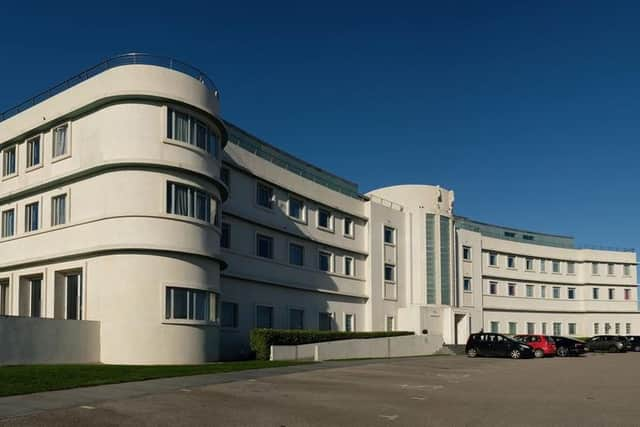
*The Midland Hotel, Morecambe (Grade II* listed): Designed by architect Oliver Hill, The Midland Hotel was built in 1932-33 by the London Midland & Scottish Railway to revitalise its brand and reputation. A roaring success when it opened in 1933, the hotel welcomed celebrated theatre stars from the nearby Winter Gardens. This sleek and streamlined Art Deco building has been a landmark feature of Morecambe Bay for more than 90 years.
*Fort Perch Rock, Wallasey (Grade II* listed): Fort Perch Rock was built between 1825 and 1829 as a coastal defence battery to protect the Port of Liverpool. The guns were only fired twice in anger, once during the First World War when a Norwegian sailing ship sailed up the closed Rock Channel. The Fort was decommissioned in 1956 and is now home to a maritime and aviation museum.
*The Winter Gardens, Blackpool (Grade II* listed): The Winter Gardens was built in 1875-78 and opened to the public in July 1878. Its historic entertainment spaces include the majestic Opera House, the elegant Empress Ballroom and the Olympia exhibition hall. It has been home to the Blackpool Dance Festival since the 1920s and hosted the first Royal Variety Show outside London, in 1955.
The stories of these historic seaside places are still being written – and they won’t be complete until you share your memories and first-hand experiences of these gems.
Go online and share at https://historicengland.org.uk/SeasideStories