
Heritage trumps heating as council blocks plan for historic Lancaster building
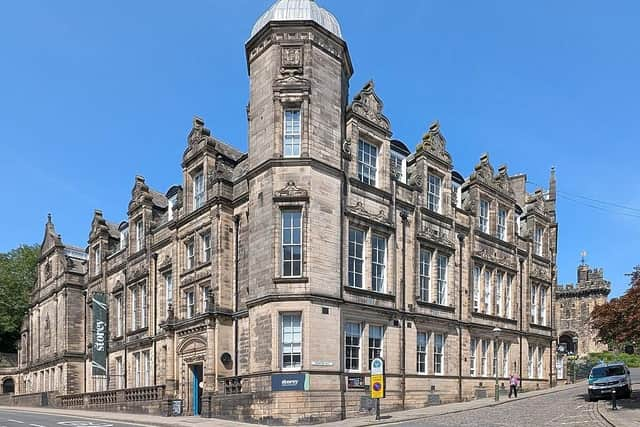
Heritage took priority over new heating when city councillors refused a plan to install new heat pumps at The Storey in Lancaster.
The Grade II listed Victorian building has been assessed as the third most polluting building for carbon emissions among 18 within the council stock and the boilers have reached the end of their life.
Some tenants have complained how the building is freezing cold in winter, yet boiling hot in summer.
Lancaster City Council had secured £1.89m in funding towards the cost of decarbonising heating at The Storey along with Williamson Park and City Lab so its property division had applied for planning permission to install 13 1.7m high Air Source Heat Pumps (ASHPs) together with a canopy housing cabling and pipework in the Storey Gardens.

As part of a package of proposed measures, they would have contributed towards the decarbonisation of the building and supported the council’s climate change agenda.
However, following a site visit and hearing how the plan might adversely impact The Storey’s heritage, councillors narrowly refused it by eight votes to seven.
Committee chair, Coun Sandra Thornberry, said: The council is fully committed to cutting carbon emissions from its buildings and has been successful elsewhere on its estate, with the prime example being at Salt Ayre Leisure Centre.
“However, as the local planning authority, the council must also make decisions in line with national legislation and planning policy, especially where proposals affect listed buildings and conservation areas.”
The committee’s decision followed planning officers concerns that installing 13 heat pumps in the Storey Gardens would cause ‘a high level of harm to a number of significant heritage assets.’
“Independent conservation advice we received made clear that the size, design, and very prominent location of the equipment, would be intrusive in this sensitive historic setting,” Coun Thornberry added.
“The same advice considered that secondary glazing to the highly significant first floor curved bay corridor window, which contains stained glass by Jewitt of Shrigley and Hunt, would result in a high level of ‘less than substantial harm’.”
Diana McIntyre, from FoodFutures North Lancashire’s Closing Loops project, based at The Storey and funded by the National Lottery Climate Action Fund, had spoken at the meeting in favour of the plan.
Afterwards she said: “In this case, the complexity of the decision has led to The Storey being unable to use central government funding to insulate the building and move away from an old gas heating system.
“I wonder how our local council will meet both its climate targets and protect its heritage assets?”
Another tenant at The Storey gave their reaction to the decision.
"In a time of climate chaos and considering the government’s climate targets and also local authority ones, it’s important that buildings and houses are well insulated with lower carbon heating systems, therefore reducing carbon emissions,” said Anna Clayton, co-ordinator for LESS District CIC, which supports residents to live more sustainably.
“The decision highlights the complexity of doing this when you also have to consider heritage factors as well.”