


They are also on the up in many neighbourhoods within the Lancaster district.
There were 570,550 positive cases in the UK in the week ending March 17, a huge 39 per cent jump on the week before.
It has affected nearly all areas. Some 366 of the UK’s 380 local authorities (96 per cent) saw cases rise in the past week, with two areas - Burnley in Lancashire and Torridge in Devon - seeing cases double.
The lifting of many restrictions, waning effectiveness of boosters and the spread of the highly contagious BA.2 ‘stealth Omicron’ variant have all been touted as potential reasons for rising infection rates.
At a regional level, Scotland still had the highest case rate in the week to March 17, at 1,619 cases per 100,000 residents.
This was followed by the South West, with 1,200 cases per 100,000 residents. The lowest case rate was in Wales, with 412 cases per 100,000 residents.
The figures include both positive PCR and lateral flow tests, except in Wales where only PCRs are counted.
They include people infected with Covid-19 for the first time as well as reinfections.
At neighbourhood level, Covid-19 case rates have been published for the week to March 17.
Here are the neighbourhoods in the Lancaster district with the biggest rise in case rates in the past week.
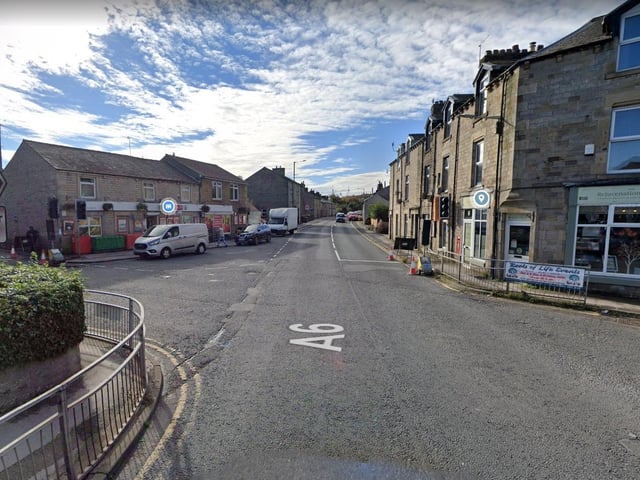
9. University, Galgate & Dolphinholme
University, Galgate & Dolphinholme had 708.7 Covid-19 cases per 100,000 people in the latest week, a rise of 55.2% from the week before. Photo: Google
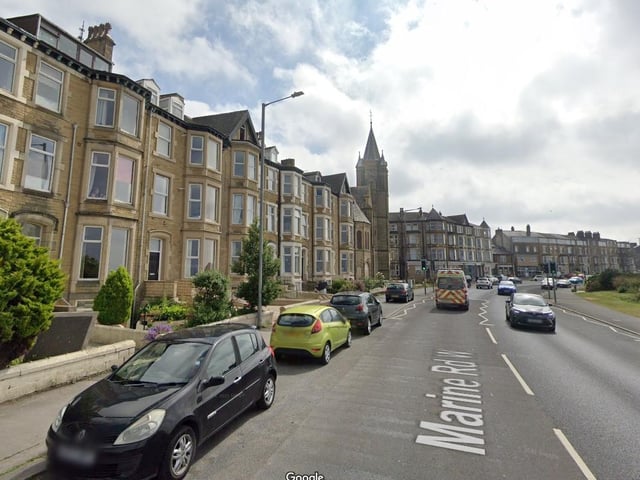
10. Morecambe West End
Morecambe West End had 626.9 Covid-19 cases per 100,000 people in the latest week, a rise of 54.2% from the week before. Photo: Google
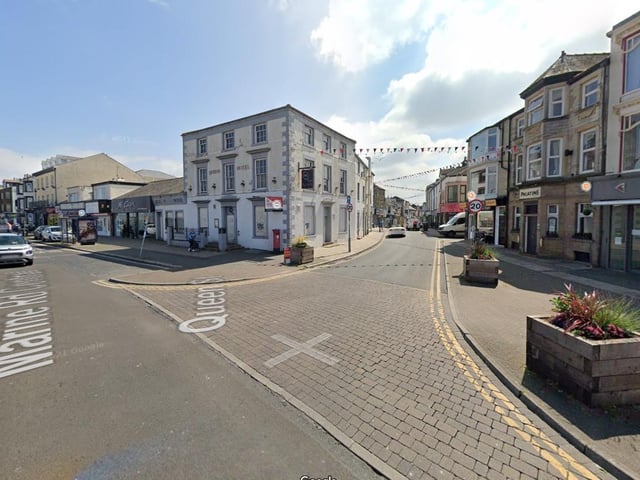
11. Morecambe Town
Morecambe Town had 800.4 Covid-19 cases per 100,000 people in the latest week, a rise of 42.2% from the week before. Photo: Google
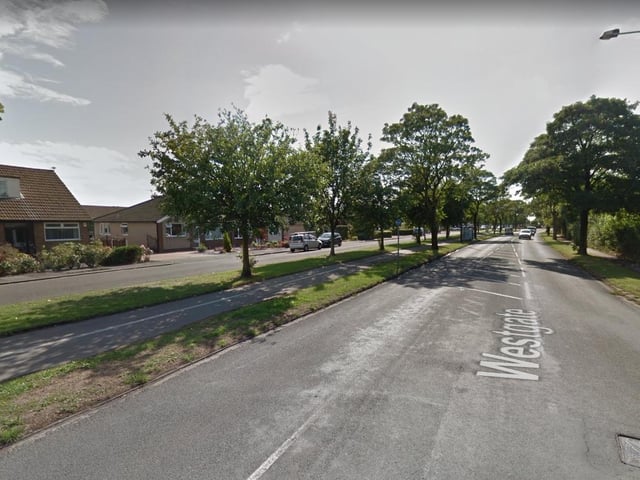
12. Morecambe Westgate
Morecambe Westgate had 681.5 Covid-19 cases per 100,000 people in the latest week, a rise of 28.6% from the week before. Photo: Google