
Heysham power stations will keep lights on for longer as life extensions are announced
EDF has announced life extensions for both nuclear power stations in Heysham, providing millions of homes with clean power for longer.
Combined, the two stations, which started generating in the 1980s, have produced enough zero-carbon electricity to power every home in Lancashire for more than 265 years.
The decision taken on Tuesday means that Heysham 1 has extended generation by one year to 2027 and Heysham 2 will continue to produce electricity for an extra two years to 2030.
EDF made the decision following a full technical review of all four of its generating Advanced Gas-Cooled Reactor (AGR) stations which has been carried out over recent months.
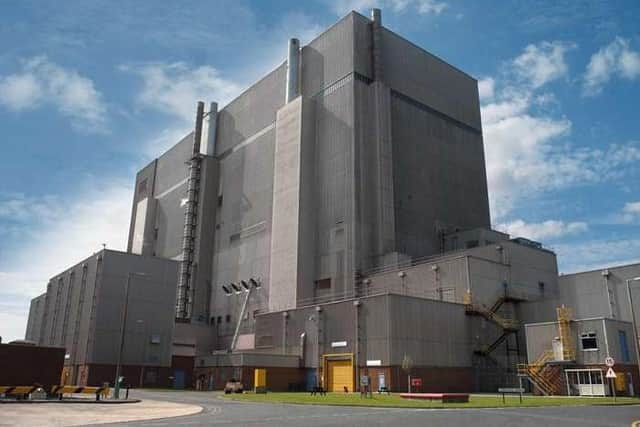

The licenced nuclear site at Heysham is unique in that it is the only one in the UK to have two generating power stations.
Across the two sites, the extended lifetimes will secure the jobs of more than 1,500 staff and contractors for longer and preserve nuclear skills in the area.
As well as supporting employment, extending the generating lives of the Heysham stations will bolster the UK’s security of supply and support plans for the rapid expansion of renewables by helping to maintain grid stability. It will also help limit the UK’s dependence on imported gas.
Heysham 1 station director Mike Davies said: “This life extension is fantastic news for our workforce and the wider community. We’ll continue to make positive contributions to the region by generating low-carbon electricity while supporting local families, businesses, and jobs.”
Heysham 2 station director Martin Cheetham added: “This decision reflects EDF’s continued investment in the sites and indeed the area, as well as the hard work, dedication and expertise of our staff and local suppliers, who have been imperative to its operation and productivity.”
This decision will see the lifetimes of all four generating AGR stations in the UK extended. Heysham 1 and Hartlepool (Teesside) have both had their lives extended by one year to 2027, while Heysham 2 and Torness (East Lothian, Scotland) will generate for two years longer to 2030.
When EDF acquired these stations in 2009 they were all due to come offline by early 2023, which would have left the UK with just one generating nuclear station at Sizewell B. Careful stewardship and around £8bn of investment since 2009 has seen several life extensions for these stations and much higher output than was predicted.
EDF will invest a further £1.3 billion in the five generating stations over the next three years (2025-27) on top of the £8 billion already invested since 2009 to safely extend operating lifetimes. So far, the nuclear fleet has generated over 240TWh more electricity than expected back then, enough zero carbon electricity to power every UK home for two years.
The decision on the change of generation dates for the four stations was taken following a series of EDF executive, board and shareholder meetings on.
Heysham 2 and Torness were due to move into defueling in March 2028 based on a review in 2021, while Heysham 1 and Hartlepool power stations were due to move into defueling in March 2026 based on a review in 2023.